Wiry, Weatherproof, Wonderful: Could Hand-Stripping Suit Your Terrier?
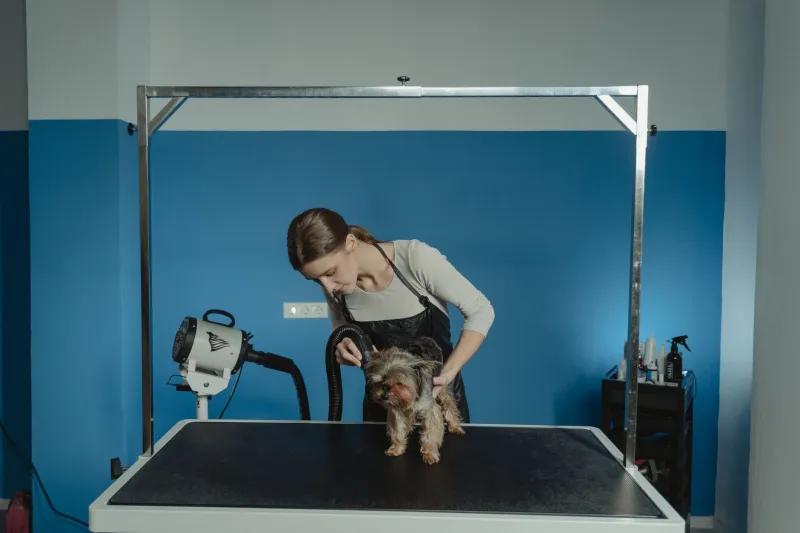
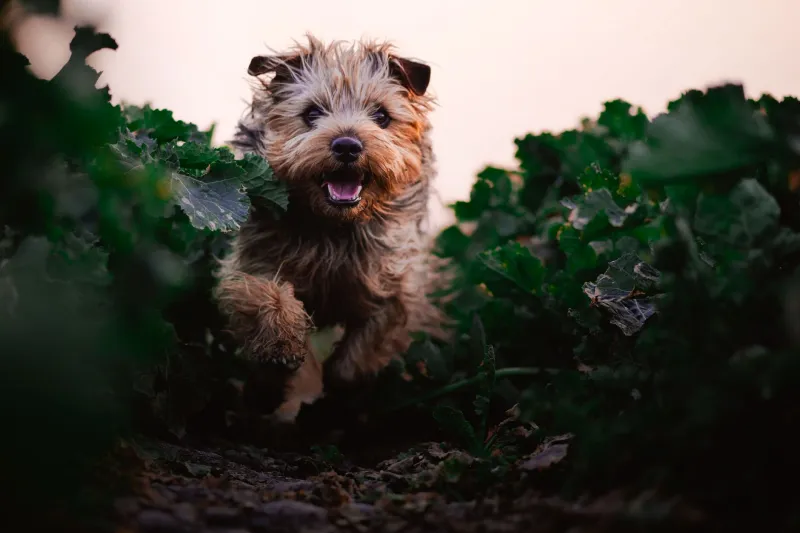
Walk through any UK park in November and you can spot them: the terriers with coats that look as if they have been knitted from heather and stubbornness. Border terriers, Jack Russells, Cairn crosses, and a hundred scruffy hybrids with a gleam in their eye. For some of these dogs, the secret to a healthy coat is not a pair of clippers. It is a pair of hands, a good conversation and a plan.
At Smart Dog Salon, we like to think of hand-stripping as a handshake. It is an agreement between owner, groomer and dog: we will work with the coat you have, at the pace your dog can manage, and we will not force a style that does not suit. Here is what that handshake involves, and how to know whether it is right for your terrier.
What hand-stripping actually means
Hand-stripping is the careful removal of dead outer coat hairs, usually by hand or with a stripping knife used in skilled hands. It is not shaving. It is not pulling healthy hair out for the sake of it. The aim is to take the old, worn topcoat at the point where it is ready to go, making room for fresh, harsh growth underneath.
A groomer will often work in small sections, taking a few hairs at a time. A coat that is ready tends to release without much resistance. A coat that is not ready should be left alone. That is why a good stripper will check the coat first, rather than promising a full strip on the day you ring.
Which terrier coats tend to suit it
The classic candidates are wiry, harsh-coated terriers with a dense undercoat and a crisp topcoat. Border terriers are the obvious example, but Jack Russells, Cairn terriers and Cairn crosses can also be good candidates, depending on the individual coat. Some Scottish terriers, West Highland whites and wire-haired crosses may suit it too. The key word is individual.
Crosses are a lucky dip. A Cairn cross might inherit a lovely harsh jacket; the next one might have a soft, cottony coat that would be miserable to strip. Puppy coats are another question. Many young terriers have a softer coat that changes as they mature, so it is worth waiting before committing to a full stripping routine.
Coat condition matters as much as breed. If the coat is matted, sore or packed with undercoat, stripping is not the first job. The coat needs to be comfortable and tangle-free before anyone starts plucking away at it.
Clippers or fingers? What is the difference?
Clippers are not the enemy. They are quick, predictable and perfectly kind for many dogs. A clipped coat can look neat and be easy to maintain. The difference is in how the hair grows back. Clippers cut the hair mid-shaft. Over time, some coats become softer, denser or less weather-resistant. The colour can sometimes dull, too.
Stripping removes dead hair closer to the root, so the new coat comes through with its natural texture. For a wiry terrier, that can mean a jacket that sheds mud, shrugs off drizzle and keeps its rich colour. It is not a miracle, and it is not instant. It is a cycle, usually built around the coat's growth rather than the calendar.
Neither method is morally superior. The right choice is the one that suits the dog in front of you.
The questions worth asking before you book
A hand-stripping appointment should begin with a chat. Ask whether your dog's coat is a genuine candidate. Ask whether the groomer will work by hand, use a stripping knife, or blend the two. Ask how often they would expect to see you, and what happens if the coat is not ready.
It is also fair to ask about the practical bits: how long a session usually takes, how the fee is worked out, and whether clippers will be used for hygiene areas such as paws and sanitary trims. Many groomers use clippers for those fiddly spots even on stripped dogs, and that is normal.
If your dog is anxious, elderly or has skin trouble, say so. Comfort should always beat perfection. A good groomer will adjust the plan, stop when the dog has had enough, and tell you honestly if stripping is not the kindest option.
Keeping the coat happy between visits
Between appointments, think small and often. A quick brush and comb a few times a week helps keep the undercoat moving and lets you spot knots early. A damp towel or a rinse after a muddy walk is usually enough; frequent shampooing can soften a coat and strip natural oils.
Do not start yanking at the coat yourself unless your groomer has shown you exactly what to do. Hand-stripping looks simple and is not. A little knowledge can turn a healthy coat into a patchy one. If you are keen to learn, ask for a demonstration at the end of an appointment.
Not right for every dog
Here is the caveat that matters: hand-stripping is not a universal good. Soft-coated terriers, curly crosses, heavily matted dogs and dogs with sore skin are usually better served by another approach. Neutered dogs may develop a softer, fluffier coat that no longer strips cleanly. Senior dogs may find the process tiring. Anxious dogs may need a slower, gentler plan, or no stripping at all.
If a groomer says your dog is not a good candidate, that is not a rejection. It is useful information. The goal is a happy dog with a healthy coat, not a dog who merely looks the part.
So if you own a wiry terrier, book a conversation before you book a strip. Ask about the coat, the method and the rhythm. That handshake, more than any tool, is what keeps a terrier's jacket doing its job.