The Drop-Ear Diaries: A Calm Weekly Ear Routine for Spaniels, Setters and Other Floppy-Eared Dogs
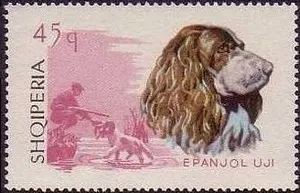
Photo: Post stamp of Albania, Public domain, via Wikimedia Commons
Why drop ears need a different kind of attention
If you live in the UK with a Cocker Spaniel, a Springer, an English Setter or a Basset Hound, you know the look. The head tilts, the long ear swings, and the whole face softens. Those floppy ears are part of the charm. They are also very good at collecting things. Mud, grit, twigs, water from the local stream and the occasional grass seed all find their way under the ear flap.
The shape of a drop ear creates a warm, shaded pocket. Air does not move through it as freely as it does around a prick ear. After a wet walk, moisture can sit against the skin. Spaniels and setters often have hair around the ear canal as well, which adds to the trapped, humid feeling. None of this means every floppy-eared dog will have ear trouble. It does mean a little routine attention goes a long way.
A calm weekly ear check
The aim is not to deep-clean the ear canal every week. The aim is to look, smell and gently wipe the outer ear so you notice changes early. Set aside five minutes when the house is quiet. Have a treat, a phone torch, a dog-safe ear cleaner and a cotton pad ready. A towel on the floor helps with muddy paws.
- Start with a treat and a gentle stroke. Touch the ear flap, then let go. Repeat once or twice so the handling feels ordinary.
- Lift the flap gently and look at the outer ear and the opening of the canal. Compare one side with the other.
- Have a sniff. A healthy ear should not smell strongly sour, yeasty or unpleasant.
- Look for redness, swelling, dark wax, discharge, cuts or specks of dirt. In summer, check carefully for grass seeds.
- Put a little dog-safe ear cleaner on a cotton pad and wipe the inside of the ear flap and around the opening. Never push a cotton bud, finger or tissue into the canal.
- Dry the ear flap and the skin around the opening after wet walks. A soft towel is enough. Let the ear fall back naturally.
- Finish with a treat and a calm word. The whole session should feel like a small, boring part of the week.
Cleaning habits that keep it calm
Overcleaning is a real problem. Too much wiping can irritate the skin and upset the natural balance of the ear. Use a product made for dogs, and follow the label or your groomer's advice. Do not use vinegar, hydrogen peroxide or human ear drops unless your vet has specifically recommended them. Do not share ear cleaner between dogs, and do not use a bottle that has been open for years.
Hair around the ear canal is a debated topic. Some groomers trim it to improve airflow; others leave it alone. The right answer depends on the dog, the coat and the history of ear problems. If your spaniel has a very hairy ear canal or repeated infections, ask your vet and groomer to work together. Plucking should not be a DIY experiment.
Warning signs: when to book a vet or groomer
A groomer can help with outer-ear cleaning, trimming around the ear and general coat care. A vet is the right call for pain, infection or anything inside the canal. Book an appointment if you notice:
- Head shaking, scratching or rubbing the ear along the floor.
- A yelp or flinch when the ear is touched.
- Redness, swelling or heat in the ear flap.
- Yellow, brown or black discharge, or a strong smell.
- A head tilt, wobbliness or loss of balance.
- A grass seed or foreign object visible near the ear opening.
- Repeated ear problems that settle and then return.
Do not wait for a dog to become miserable before acting. Ear trouble can be uncomfortable, and early treatment is usually simpler. If the ear is painful, do not clean it at home. Let the vet look first.
Making ear care feel normal
Dogs learn from repetition and tone. If ear checks only happen when something is wrong, the dog may start to associate hands near the ears with discomfort. Short, treat-led sessions change that. Pair the check with something predictable: after the Sunday walk, before the evening meal, or while the kettle boils. Use the same gentle phrase each time, such as 'ears check', and keep it brief.
For puppies, start with one-second touches and build up. For older dogs who hate handling, work in stages. Touch the ear flap, treat, stop. The next day, lift the flap for a second, treat, stop. If your dog remains worried, ask your groomer or vet for help. A muzzle can be a kind safety tool for painful ears, but it is not a substitute for veterinary care.
A note for muddy winter walks
Winter is the season of wet ears. A towel by the door is your best friend. Dry the ear flap and the skin around the opening when you come in, then let the ear air. Check for grit and mud that has collected under the flap. If your dog has been swimming or running through wet woodland, pay extra attention that evening. A quick check now is easier than a vet visit later.
Floppy ears are not a fault to fix. They are a feature to manage with a little care. A calm weekly look, a gentle wipe, and a clear idea of warning signs will keep most drop-eared dogs comfortable. Happy dogs, healthy coats, smarter grooming.