The Victory Lap: Making Sense of Your Dog's Post-Salon Energy Burst
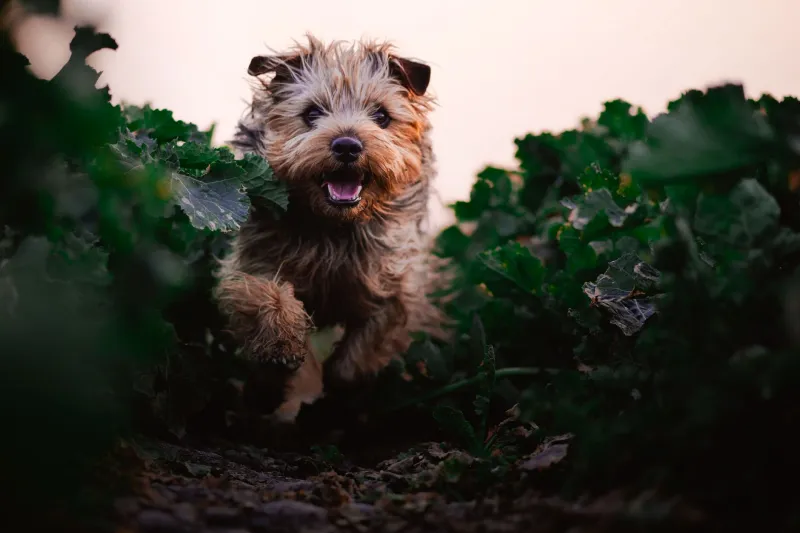
There is a particular moment that anyone who has collected a dog from the grooming salon will recognise. The door swings open, the lead is clipped on, a neatly turned-out dog steps onto the pavement — and then, roughly four seconds later, something switches. The lead becomes a skipping rope. The back end drops. The dog launches into a circuit of the hallway, the garden or the car park, ears flat, tail going like a metronome.
We call it the post-salon zoomies. It looks chaotic, it is usually harmless, and it is one of the more charming parts of the whole grooming cycle. But it is also worth understanding, because the first hour home is where a good groom is either protected or quietly undone.
What Is Actually Going On
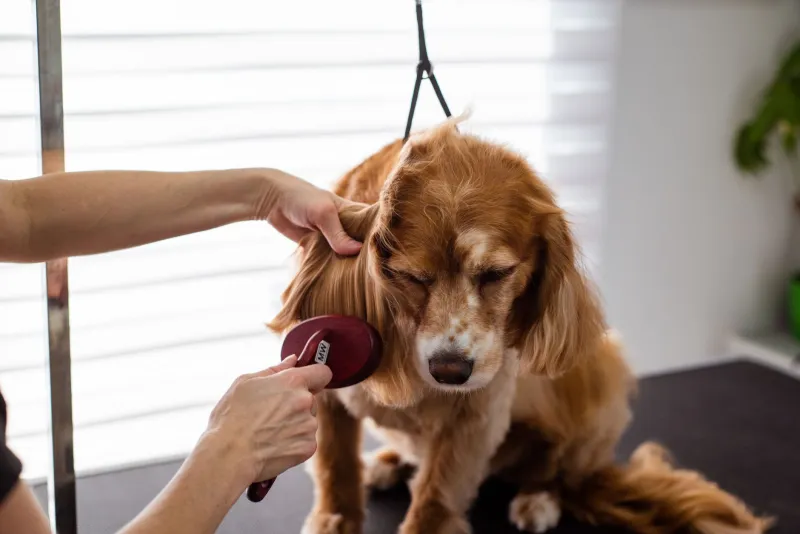
A grooming appointment is a lot of sensory input. Warm water, shampoo, a high-velocity dryer, clippers, the smell of other dogs, the sound of a busy salon, and — for many dogs — a stretch of polite standing still on a table. Even the calmest dog is holding a certain amount of tension in their body by the time they are handed back to you.
Then the door opens onto home ground. The contrast is enormous. Think of the feeling of stepping out of a loud, warm party into cold, clean air: that sudden drop in input is itself a kind of jolt, and it often comes out as running.
There is also the physical side. A freshly groomed dog has had dead undercoat removed, tangles teased out, nails shortened and pads tidied. For a dog who came in carrying a heavy or knotted coat, that change is not cosmetic. It is a genuine relief, a bit like taking off a winter coat you had been wearing indoors for an hour. Some dogs celebrate by rolling. Others by sprinting.
And then there is the small, ordinary itchiness of it all: dried skin, the unfamiliar feel of short fur, the faint vibration of clippers still settling in the nerves. A brisk rub along the carpet is often just a dog resetting their own skin.
The First Ten Minutes at Home
The temptation is to join in, because it is funny, and because a happy dog is a lovely thing. A little is fine. A full-blown wrestling match in a narrow hallway is not, especially on a wet November afternoon when the floor is slick and your dog has just had their pads trimmed.
Keep the lead on until you are through the door and the house is secure. Give them a defined space — hallway, kitchen or the garden if it is dry — and let them shake it out. Shaking, rolling, a couple of laps: all normal. Chasing them to stop it usually has the opposite effect.
If your dog has come home with very short clipped paws, be aware of hard floors. Freshly cut nails can be sharp, and a skid on tiles or laminate is a genuinely common way to turn a good groom into a sore leg.
Swap the Sprint for a Sniff
The most effective way to bring the energy down is not to run it off. It is to walk it off, slowly.
A ten- to fifteen-minute walk on the lead, on a quiet residential loop, does more than a wild tear around the garden. Sniffing is a natural brake: it lowers the heart rate, engages the dog's thinking brain and gives them something to do that is not sprinting. Let them stop and investigate every lamp post if they want to.
What you are trying to avoid is the park at the moment when every other dog in the postcode is out. A freshly groomed coat and a bouncy dog is not the ideal combination for a muddy scrum, and if your dog has had a thorough bath, the point was partly to come home clean.
Also worth avoiding: puddles, wet leaves and any gritted pavements if the cold has arrived. If the walk is muddy, a quick rinse of the paws in lukewarm water when you get in, dried properly between the pads, is a sensible habit. It takes two minutes and it keeps the salon finish intact for longer.
The Garden Sniff
If the weather is truly grim — and in mid-November it often is — a five-minute garden session with the nose down will do a surprising amount of good. Dogs decompress through scent. Standing in the back garden while your dog investigates the same hedge they investigate every day is genuinely useful, in a quiet, unglamorous way.
Water, Warmth and Somewhere Quiet
Offer fresh water as soon as you are in. A dog who has been through a dryer can be quietly thirsty, and a bit of water often settles the system. Skip the big meal if they are still wired; a small snack an hour later is gentler.
Then give them somewhere calm. Not the front room with the television on and the family coming and going. A quiet room, a bed, a blanket. Most dogs will take themselves off within twenty minutes and sleep deeply for an hour or two. That sleep is the sign that the appointment has landed well.
The Roll on the Carpet
It is worth knowing the difference between a happy roll and a bothered one. A dog wriggling on their back, rubbing their shoulders along the carpet, then getting up and shaking, is usually just enjoying the sensation of a lighter coat.
A dog rubbing frantically at one ear, or licking one paw without stopping, is telling you something else. It might be a stray hair, a bit of water in the ear or a small nick. Have a gentle look. If it continues, ring the salon — we would much rather hear about it the same day than a week later.
When a Call to the Salon Is the Right Move
The zoomies usually follow a predictable arc: a burst of energy, a sniff, a drink, then a long sleep. If that is your afternoon, there is nothing to do but enjoy it.
It is worth picking up the phone if you see any of the following:
- Yelping when your dog sits down or is picked up
- Persistent head shaking, or rubbing one ear on the furniture
- Repeated licking or nibbling at one paw, flank or tail base
- A patch of redness, a small cut or a tender spot on the skin
- Unusual grumpiness, hiding, or a dog who will not settle at all
- Lethargy that does not lift after a few hours, or a refusal to eat that lasts into the evening
- A sudden itch that was not there before the appointment
None of these are common, and most turn out to be minor. But they are the sort of thing a groomer can usually identify quickly, and the sooner it is mentioned, the easier it is to sort out.
The Next Morning
Whatever the coat type, a two-minute brush the next day is a good habit — particularly for clipped or curly coats, where a bit of friction in the first day or two can start a small tangle. It is also a chance to check under the harness, behind the ears and between the pads, where small issues like to hide.
And if your dog spent the evening flat out on the sofa, snoring gently with their paws twitching, take it as a compliment. They came home lighter, cleaner and comfortable, and they knew exactly what to do with the feeling.