The Wet-Towel Weather Guide: Helping Your Dog's Coat Cope With British Damp
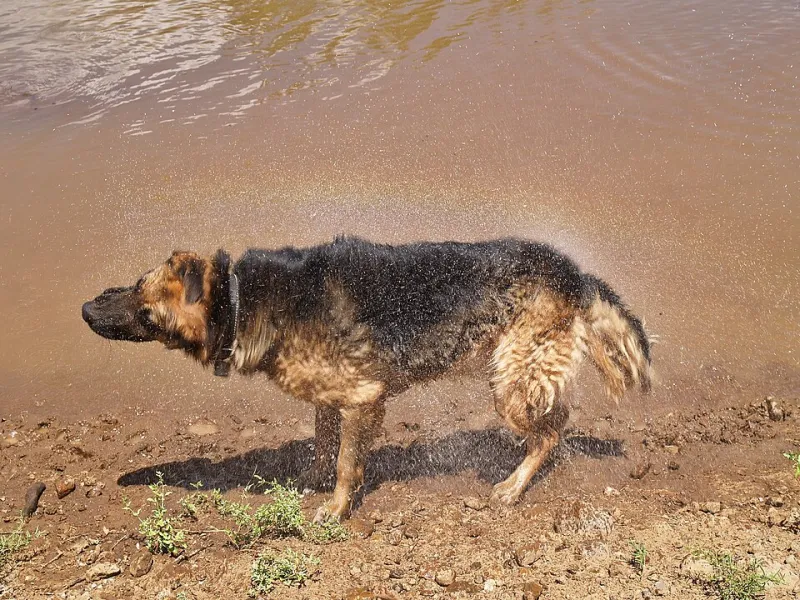
Photo: Kreuzschnabel, CC BY-SA 3.0, via Wikimedia Commons
The weather we actually get
UK dog owners spend a lot of time talking about rain, but the real coat challenge is often the in-between weather: mild, murky, windy and wet all in the same afternoon. It is not the dramatic downpour that causes the most trouble. It is the slow drizzle, the damp walk, the foggy morning and the humid spell when nothing quite dries.
That kind of weather leaves a dog's coat in a strange state. The top layer may look dry while the undercoat or the roots are still holding moisture. Curly coats can tighten into little cords. Feathered ears and tails can clump. Double coats can develop that faint, musty dog-blanket smell if air cannot get through. None of this means your dog is dirty. It usually means the coat has been damp for longer than it should.
The good news is that you do not need a complicated routine. You need a few habits that work with British weather rather than pretending it is always sunny and dry.
Why damp hits different coat types differently
Curly and woolly coats
Breeds with curls or a woolly texture — think poodles, cockapoos, labradoodles and similar crosses — are brilliant at holding shape and warmth. They are also brilliant at holding moisture. A damp curly coat can look fine on the surface while the deeper layers stay clammy. If those layers are not dried properly, the coat can start to mat close to the skin, especially behind the ears, under the collar and around the harness area.
Brushing a damp curly coat is rarely a good idea. It can pull tight curls into fuzz and make small knots worse. Dry first, then comb.
Double coats
Dogs with a soft undercoat and a weather-resistant topcoat — think huskies, German shepherds, retrievers and many spaniels — have a built-in climate system. The undercoat traps air for warmth, while the topcoat helps shed water. When the undercoat gets wet and stays wet, it can pack down and lose that lovely loft. You may notice little clumps along the back or a coat that feels heavier than usual.
Resist the urge to clip a double coat short in response to damp weather. The topcoat is doing an important job. Instead, focus on thorough drying and regular gentle grooming so the undercoat does not trap moisture and dead hair together.
Silky, feathered and drop-eared coats
Spaniels, setters and other dogs with feathering can collect damp in the ears, chest, tail and leg fringes. These areas can twist into thin tangles quite quickly. Drop ears also reduce airflow, which is why the ear leather and the coat around it need a little extra attention after wet walks.
Short, smooth coats
Short-coated dogs dry faster, but they are not immune. Damp skin folds, damp harness patches and wet paws can still cause discomfort. A quick towel-down and a check of the belly and armpits is often enough, but do not skip it just because the coat looks low-maintenance.
Drying is a skill, not a rough rub
The instinct after a soggy walk is to grab a towel and rub hard. A gentler approach works better. Use a microfibre towel or a clean cotton towel and press it against the coat to absorb water. Work in sections: head and ears, neck and chest, back, belly, legs and tail. For curly coats, squeeze the curls rather than scrunching them. For double coats, part the hair gently so air can reach the undercoat.
If your dog tolerates a pet dryer, use it on a cool or low setting and keep it moving. Never trap a dog in a small space with a warm dryer or leave them unattended. The aim is to dry the skin and the base of the coat, not just the fluffy surface. A dog that feels dry on top but still has a clammy underlayer is the classic recipe for matting and that damp-dog smell.
Pay special attention to the armpits, groin, behind the ears, under the collar and anywhere a harness sits. These are the spots where moisture lingers and tangles begin.
The humidity problem
You do not need rain for coat trouble. A humid day can leave a dog's coat feeling soft, slightly sticky and prone to knotting. Humid air also makes drying slower, whether that is after a bath or after a walk through wet grass.
On muggy days, keep grooming sessions short and check the coat with your hands rather than relying on looks. Run your fingers through the coat and feel for cool, damp patches. If the coat feels heavy or clumpy, give it more drying time. A little extra airflow — a window cracked open, a fan on low away from the dog, or simply a dry room — can make a real difference. Avoid putting damp coats into a closed crate or a tight coat immediately after a walk.
A simple wet-walk routine
A useful habit is to treat every wet walk as a mini coat check. It takes five minutes and saves a lot of fiddly grooming later.
- Towel-dry the surface of the coat as soon as you get home.
- Part the coat and check the underlayer, especially along the back and behind the ears.
- Remove the harness or coat and dry underneath.
- Check paws and ear flaps for damp and mud.
- Let the dog settle in a dry, airy spot rather than a closed room.
If your dog has a thick or curly coat, keep a dedicated drying towel by the door. It sounds small, but it makes the routine much easier to stick to.
Between grooms: the daily habits that help
Regular, light grooming is your best defence against weather-related matting. A quick comb over the places where tangles start — behind the ears, under the collar, around the tail and along the leg fringes — can catch small knots before they tighten. Do this when the coat is completely dry.
Keep an eye on the coat's condition rather than just its length. A healthy coat should feel supple, not brittle, and the skin underneath should look calm. If you notice persistent scratching, redness, a sour smell or areas that stay damp despite drying, speak to your vet. Grooming can help with coat condition, but it is not a substitute for veterinary advice.
Finally, book grooming with the weather in mind. A dog that is regularly wet and muddy may need a slightly different rhythm from one that mostly walks on dry pavements. Tell your groomer how often your dog gets damp, what coat type you are managing and any areas that tend to knot. That small briefing helps them work with your dog's real life, not an idealised version of it.
British weather may never be predictable, but your coat-care routine can be. Dry the layers, check the tricky spots and keep grooming gentle and regular. Your dog will be more comfortable, your home will smell better and the next groom will be far less of a rescue mission.