Bottom Line: What Scooting, Sniffing and Licking Really Mean
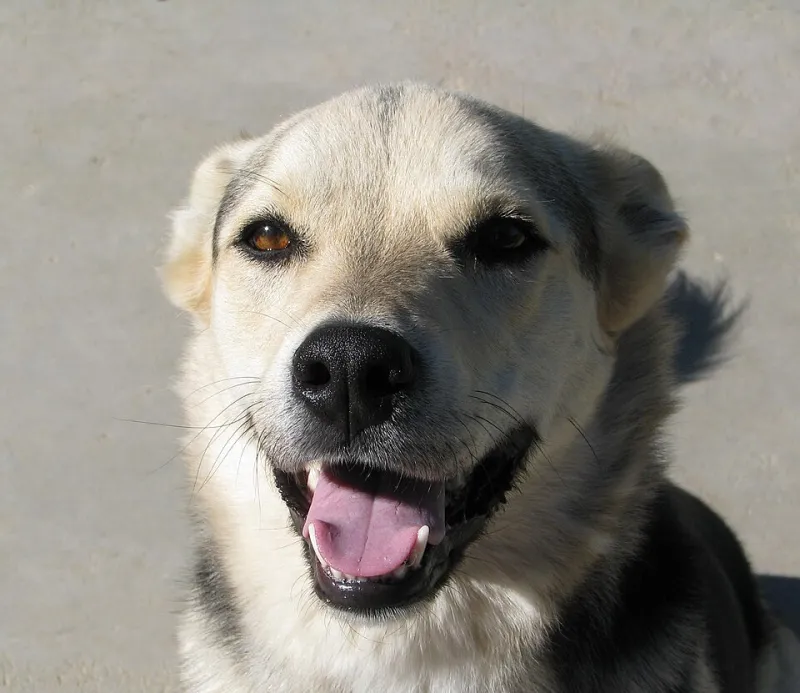
Photo: Rennett Stowe from USA, CC BY 2.0, via Wikimedia Commons
There are few topics that clear a grooming room faster than anal glands. It is understandable. Nobody wants to spend their Sunday wondering why their dog is dragging their bottom across the rug, and nobody wants to be the owner apologising for a smell they cannot quite place. But bottoms are part of the job when you groom dogs, and they are part of everyday dog care too. The good news is that most of it is far less dramatic than it feels.
First, the no-embarrassment bit
Dogs have two small scent glands either side of their bottom, just inside the opening. They produce a strong-smelling fluid that normally gets squeezed out when a firm poo passes. It is one of those quiet bodily systems that mostly looks after itself. The scent also plays a part in how dogs communicate with each other. When one dog sniffs another's rear, they are not being rude. They are reading the noticeboard.
So a bit of sniffing is normal. A bit of licking is normal too, in the same way dogs groom other parts of themselves. What matters is change. If your dog suddenly becomes obsessed with their rear, smells unusually strong, or starts scooting several times a day, that is worth paying attention to.
Why dogs scoot, lick or nibble
Scooting is the classic sign people associate with blocked anal glands, but it is not the only reason a dog does it. Itchy skin, fleas, allergies, a touch of diarrhoea, or a small skin infection can all make the area uncomfortable. Sometimes the cause is as simple as a loose stool that has left the area damp and irritated. Sometimes it is nothing more than a random itch.
Licking is similar. A quick clean is normal. Persistent licking, chewing, or nibbling at the tail base is not something to ignore. Neither is a dog who keeps looking round at their bottom, seems sore when they sit, or leaves a fishy smell on the sofa. If there is swelling, redness, discharge, blood, or obvious pain, that is a vet conversation rather than a grooming one.
What groomers do, and what they do not do
Professional groomers are not vets, and emptying anal glands is not a routine part of a standard groom. Many groomers will not do it at all, and that is not because they are squeamish. Internal expression is a veterinary procedure. It needs a proper feel for what is normal, a clear view of what is not, and the ability to spot infection, impaction or damage. A groomer can clean around the rear, trim sanitary areas, and check for obvious problems, but they should not be squeezing glands as a matter of course.
That boundary is a good thing. Routine squeezing can irritate the area and may even make problems more likely over time. It can also mask an infection that needs treatment. If your groomer notices redness, swelling, a strong smell, or a dog who is clearly uncomfortable, the right move is to flag it and suggest a vet visit. That is not passing the buck. It is getting your dog the right kind of help.
The DIY squeeze trap
It is tempting to look up a video and have a go yourself. Please do not. The area is delicate, the risks are real, and it is very easy to cause bruising, pain or infection. You can also empty one gland and miss the other, or relieve pressure without dealing with the underlying problem. DIY squeezing can turn a minor issue into a sore, messy one.
If you think your dog needs their glands checked, ring your vet. They can decide whether expression is needed, whether a sample should be tested, or whether the issue is actually skin, diet or something else altogether. That is not a failure on your part. It is just using the right person for the job.
When to ring the vet
A one-off scoot after a loose poo is not usually an emergency. Repeated scooting, persistent licking, a swollen or painful bottom, pus, blood, or a dog who seems unwell should be checked promptly. The same goes for straining to poo, crying when sitting, or a smell that keeps coming back. If your dog is scooting and the area looks red or swollen, ring your vet today rather than waiting for it to settle.
Recurring problems deserve a proper look too. Some dogs have narrow ducts, low-fibre diets, allergies or ongoing skin issues that make gland trouble more likely. A vet can help you work out the pattern rather than simply reacting every few weeks.
The bigger picture: coat, diet and routine
Coat care and bottom care are more connected than they sound. A clean, well-trimmed rear is easier to keep an eye on. Long or thick coats can trap moisture and mess, especially on muddy November walks, so regular grooming helps you notice changes early. A sanitary trim can make everyday cleaning simpler without being fussy.
Diet matters as well. Firm, well-formed stools help the glands do their natural job. Fibre, hydration, sensible portion sizes and regular exercise all play a part in healthy digestion. If your dog has loose stools often, that is worth discussing with your vet. Good coat condition comes from the inside too, but no shampoo or brush will fix a gland problem on its own.
A calm word at drop-off
If you have noticed scooting or licking, tell your groomer when you arrive. Keep it simple: when it started, how often it happens, and whether you have seen swelling, smell or soreness. That helps them avoid areas that need a vet check and makes the groom safer and more comfortable. There is no need to feel awkward. Groomers hear this stuff all the time, and a quick note is far more useful than a worried silence.
Most bottom behaviour is minor, and most dogs are absolutely fine. But if something keeps catching your eye, trust that. A quick vet check is kinder than a home experiment, and it keeps the focus where it belongs: a happy dog, a healthy coat, and one less thing to worry about.