Where the Straps Sit: A Coat-Saving Guide to Harnesses and Winter Layers
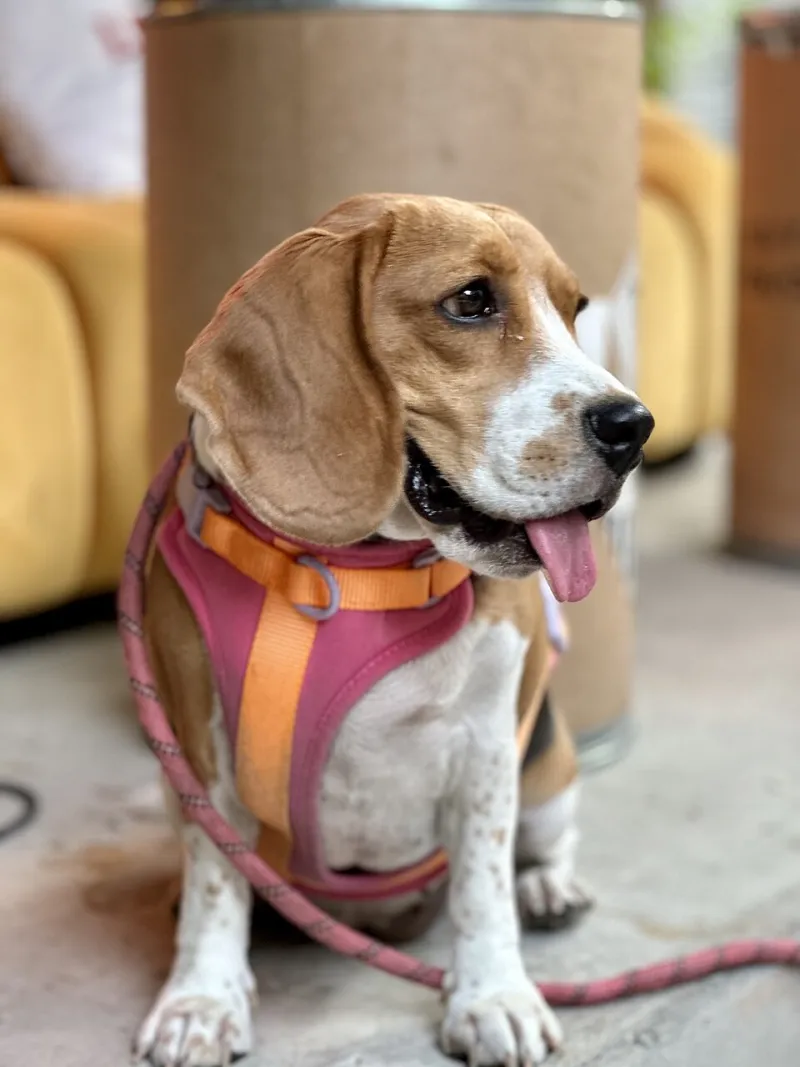
Photo: Slyronit, CC BY-SA 4.0, via Wikimedia Commons
A good harness is one of the kindest pieces of kit a dog can wear. It takes pressure off the neck, gives you more control on a muddy towpath and generally makes life easier for dogs who pull, lunge or simply enjoy a dramatic lurch at a squirrel. But any strap that sits against a coat for hours at a time will create friction. Add a winter coat, a lead and a bit of damp weather, and that friction has somewhere to go.
The result is rarely dramatic. It is usually a small flattened patch behind the front legs, a slightly pink line under the chest or a knot along the spine that seems to appear overnight. The trick is to catch these things early, before a minor rub becomes a matted patch that needs clipping out.
The three friction zones to know
The first zone is behind the front legs, where the harness strap runs across the armpit area. This is a busy part of the dog's body: it moves constantly, it collects mud and it is easy to miss when you are brushing. A strap that sits too far forward or too tight can rub the hair away and leave the skin looking sore.
The second zone is under the chest, especially on dogs with a deep chest or a narrow build. A harness that is adjusted badly can slide forward or sit too low, creating a line of pressure across the breastbone. On long-haired dogs, this is also where small knots like to form in secret.
The third zone is along the spine, where the back strap or handle sits. A winter coat with a bulky seam under the harness can make this worse. So can a harness that is a little too loose and shifts from side to side with every step.
A two-minute weekly coat check
You do not need a grooming table to do this. Wait until the dog is relaxed, then run your hands slowly over the three zones. Part the coat with your fingers and look at the skin underneath. You are checking for flattened hair, pinkness, small scabs, a damp smell or little knots that feel like grains of rice.
Compare one side with the other. If the left armpit looks irritated and the right one looks normal, the harness fit is a likely culprit. Use a phone torch if the coat is thick, but keep the light low and brief so you do not startle the dog. Finish with a quick check under the collar and along the tail, because winter layers can create pressure points in places you do not expect.
Fit first, fashion second
A harness should be snug enough that it does not twist, but loose enough that you can slide two fingers under the straps without a struggle. Check it while the dog is standing, walking and turning. A harness that looks fine in the hallway can behave very differently once the dog is trotting towards a interesting smell.
Look at the padding, too. A wide, smooth strap is generally kinder than a narrow one with a hard buckle. If the buckle sits directly over a bony part of the chest or spine, try a different style. For dogs with sensitive skin or thin coats, a harness with a soft lining is worth the extra cost. Wash harnesses regularly according to the manufacturer's instructions, because trapped grit and salt can make friction worse.
Winter layers that breathe
Adding a coat under a harness is a common December move, but it changes the fit. A bulky fleece or a thick padded jacket can bunch up under the straps and create new pressure points. If your dog wears a coat and a harness, check the combination before you leave the house. The harness should sit over the coat without compressing it or twisting it.
Breathability matters as much as warmth. A dog who gets warm on a brisk walk can end up damp under a waterproof layer, and damp coat plus friction is a recipe for matting. Choose layers that are designed for dogs, dry the coat thoroughly after wet walks and take the harness off when you get home. Leaving a damp harness on a dog for the evening is one of the quickest ways to create a sore patch.
Early rub versus matted patch
An early rub looks like a small area of thinned hair or a faint pink line. It may feel slightly warm, but the skin is usually intact. This is the moment to adjust the harness, give the coat a rest and book a salon tidy-up if the hair is starting to clump.
A matted patch is different. The hair has twisted into a solid knot, often close to the skin, and pulling at it will hurt. Do not try to cut it out with kitchen scissors, especially in the armpit or chest area where skin folds are easy to catch. A groomer can clip and blend a small patch safely, and they can show you how to keep the area comfortable while the hair grows back. If the skin is broken, weeping, hot or smelly, speak to your vet before booking a groom.
Book the tidy-up before it becomes a patch
A salon visit does not have to mean a full groom. Many coat-rub issues can be sorted with a targeted tidy-up: thinning out the hair behind the front legs, checking the chest for knots, neatening the spine line and making sure the harness is not sitting on a sensitive spot. It is a small job that saves a lot of discomfort later.
If your dog wears a harness every day, a monthly hands-on check is a sensible habit. In winter, when coats are thicker and walks are muddier, weekly is better. The aim is not to wrap your dog in cotton wool. It is simply to notice the small things before they become the sort of thing that makes a dog fidget on the lead or shy away from being touched.
Harnesses are there to help. With a little fit-checking, a breathable layer and a regular look under the straps, they can stay helpful without leaving their mark on the coat.