What Your Brush Is Keeping Quiet: A Monthly Kit Clean for Happier Coats
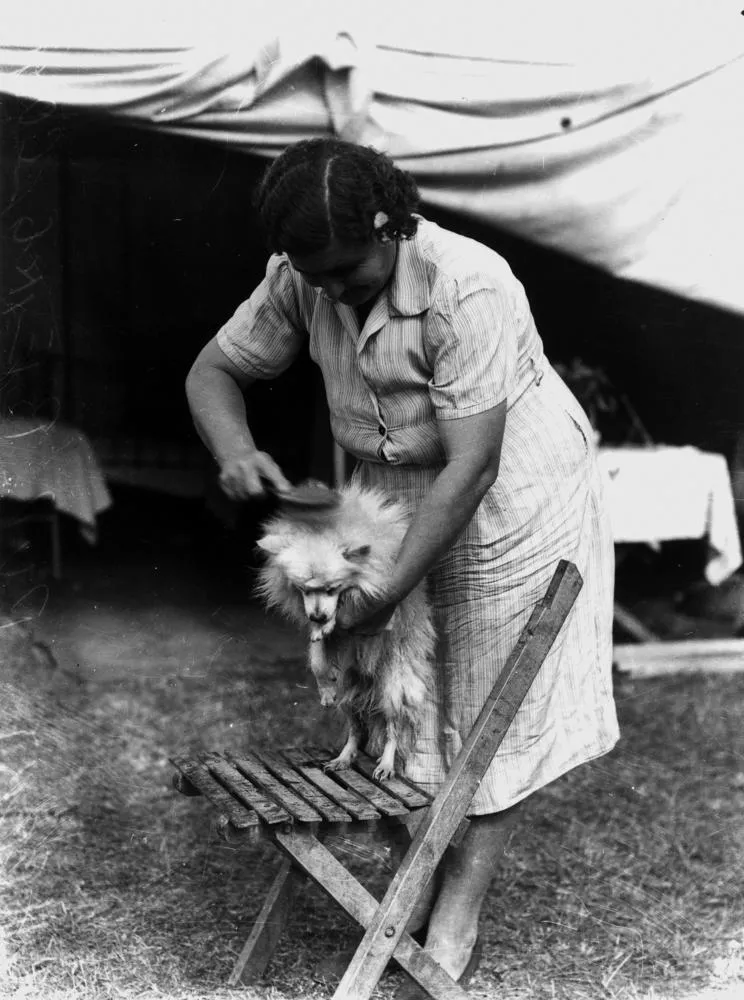
Photo: State Library of Queensland, No restrictions, via Wikimedia Commons
You brush the dog. You wash the dog. You might even hoover the sofa with real determination. But when did you last clean the brush itself? Most of us treat grooming tools like kitchen spatulas: endlessly useful, rarely inspected. And yet every stroke of a grubby brush or dull blade leaves a little something behind on the coat — or takes a little something away.
This is not about turning your bathroom into a sterilised clinic. It is about a sensible monthly reset: twenty minutes, a few household basics, and a kit that feels pleasant to pick up again. Think of it as coat care by proxy. A clean tool glides better, spreads natural oils more evenly and does less damage to the hair it is supposed to be helping.
The stuff you cannot see (but the coat can feel)
Trapped hair is the obvious culprit. A slicker brush packed with old undercoat cannot do its job properly; the pins stop reaching the skin, so you brush the same top layer again and again while the deeper coat quietly tangles. Product residue is subtler. Coat sprays, detangling mists and finishing balms leave a film on bristles and comb teeth, and that film attracts dust and grit. Damp bristles are the third member of the grubby trio. In a UK autumn, a brush left near a steamy bathroom or a damp utility room can stay slightly wet for days, which is not a lovely environment for a tool that then touches warm skin.
The result is not usually dramatic. It is a coat that looks a bit flat, a dog who fidgets more than usual, or a brush that seems to snag rather than glide. Sometimes it is a faint musty smell in the grooming bag that you cannot quite place. None of these things are emergencies, but they are small signals that the kit deserves a reset.
A sensible cleaning rhythm, tool by tool
You do not need to deep-clean everything every week. A little matching of tool to timetable keeps it manageable.
- Slicker brushes and pin brushes: comb out loose hair after every use, and give them a proper wash once a month. If you have a heavy-shedding double coat, every fortnight is not unreasonable in autumn.
- Metal combs: run a spare comb or a cocktail stick through the teeth weekly to lift trapped hair and fluff. Wash monthly, or sooner if you have used a spray product.
- Bristle brushes: these hold dust and oil beautifully, which is exactly the problem. Tap them out after use and wash monthly with a gentle soap.
- Clipper blades: brush out hair after every use, oil before storage, and clean with a proper blade brush. Do not submerge them in water. A monthly inspection for rust or a pulling sensation is wise, especially if your clipper has been sitting in a cupboard since the last clip.
- Nail clippers and scissors: wipe after use, dry thoroughly, and keep a tiny drop of oil on the pivot of nail clippers. Scissors should be wiped, dried and stored closed — not tossed loose in a drawer with keys and hair clips.
The monthly reset, in five quiet steps
Choose a moment when the dog is snoozing and the kitchen is not in full Sunday-roast chaos. Put the kettle on. This is not a chore that needs a soundtrack.
- Strip the tools. Remove as much loose hair as you can with your fingers or a spare comb. Do this over a bin, not the sink, unless you enjoy unblocking plugholes.
- Wash the washable things. Slicker brushes, combs and bristle brushes can be swished in warm water with a small amount of gentle dog shampoo or mild washing-up liquid. Work the soap through the bristles with your fingers or an old toothbrush. Rinse until the water runs clear.
- Deal with the blades separately. Brush out every trace of hair with a small blade brush. Wipe the blade with a cloth and a dedicated clipper spray or a tiny amount of clipper oil. Never rinse clipper blades under the tap; water in the mechanism is a shortcut to rust and a sad clipping session.
- Dry bristles downwards. Shake off excess water and place brushes bristle-side down on a clean tea towel in a well-ventilated spot. Bristle-side up lets water sit at the base of the pins, which is where rust and grime like to gather. Leave them overnight. Airing cupboard? Fine, as long as it is genuinely airy and not a warm damp box.
- Wipe the storage. While everything dries, wipe out the grooming bag or box with a damp cloth and let it air. This is also the moment to throw away the mystery hairball in the corner and the broken comb you have been meaning to deal with since spring.
Storage that suits a small UK home
Not everyone has a boot room with a grooming station and labelled drawers. In a flat or a terraced house, the kit often lives wherever there is space — under the sink, in a hallway cupboard, on a shelf next to the worming tablets. That is fine, as long as you avoid the two enemies: damp and clutter.
A hanging wash bag with a few internal pockets works well for brushes and combs, and it can live on a hook inside a cupboard rather than on the floor. Keep clipper blades in a small tin or pouch with a little oil, away from bathroom steam. Do not seal damp tools in a plastic bag; let them breathe first. A simple open basket on a high shelf is often better than a tight-lidded box. If your bathroom has no window and the extractor fan is more of a suggestion than a system, store the kit somewhere else entirely.
When to replace, not rescue
Some tools can be cleaned back to life. Others are quietly past their best, and a monthly reset is the moment to be honest about it.
Replace a slicker brush if the pins are bent, missing or rusty, or if the pad has started to perish. A bent pin can scratch; a rusted one can drag. Replace a metal comb if the teeth are out of line or have rough tips that catch the coat. Bristle brushes with splayed, brittle bristles are no longer doing a gentle job. Clipper blades that pull, leave tramlines or feel hot after a few minutes need professional sharpening or replacing — not more oil and optimism. Scissors that have been dropped on a tiled floor are worth checking before they are used again; a tiny nick in the blade can fold the coat instead of cutting it.
The sentimental exceptions are few. A favourite brush is lovely, but a clean, smooth tool is kinder to the dog.
A small note on sharing
If you groom more than one dog, clean tools between coats, especially if one has had a skin issue. Ringworm and some mites are not fussy about whose brush they hitch a lift on. A quick spritz of pet-safe disinfectant and a proper dry are sensible habits, and your vet can advise if you are dealing with a specific skin problem.
The monthly reset is not glamorous. But there is a quiet satisfaction in picking up a brush that smells clean, glides through the coat and has no hidden grit at the base of its bristles. Your dog will not thank you with a speech. They will simply stand a little more comfortably while you brush — and that is rather the point.