Sighthound Season: A Winter Coat Plan for Greyhounds, Whippets and Barely-There Fur
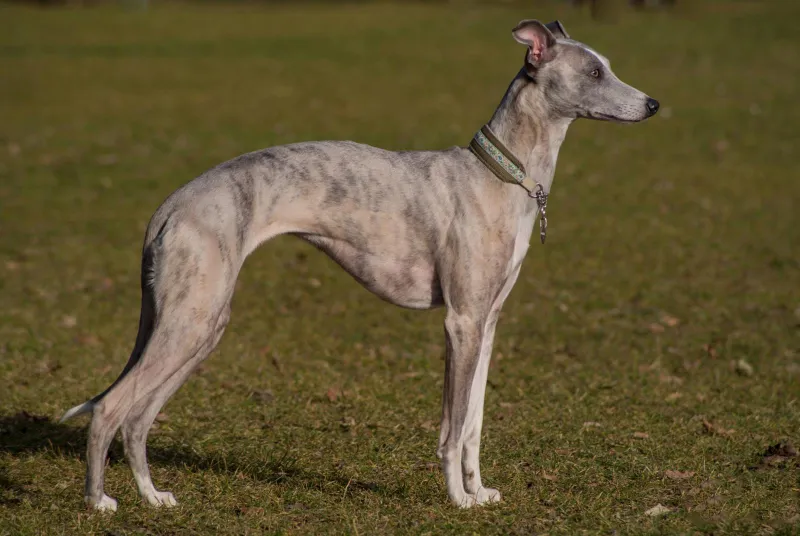
Photo: whippet wearing fleece dog coat standing in frosty UK park, via cdn2.thedogapi.com
There is a particular moment in late November when you watch a greyhound tear across a frosty playing field, pull up in a spray of frozen grass, and then stand there looking faintly betrayed by the temperature. Whippets do the same, only with more shivering and a bit of theatrical paw-lifting. If you share your home with one of these dogs, you already know the deal: they run hot for ninety seconds and then need a blanket.
The coat care side of that is worth a proper look, because a sighthound's skin and fur ask for a different approach to, say, a Labrador or a Border Terrier. Less brushing, gentler tools, fewer baths — but more checking.
Built for speed, not for sleet
Greyhounds, whippets, lurchers and their relatives carry a single, short coat with very little in the way of insulating undercoat. Add low body fat, a long thin body with a lot of surface area, and famously thin skin, and you have a dog that loses heat quickly and shows every nick, graze and dry patch. That combination is why a coat on a whippet in January isn't fussy — it's sensible.
It also shapes how you handle the coat itself. Fine fur doesn't mat in the way a doodle's curls do, so the goal isn't heavy detangling. It's keeping the skin underneath healthy and noticing small problems before they settle in.
The right tool, used lightly
You need less kit than you think. A rubber curry comb or a soft hound glove will lift loose hair and bring a bit of circulation to the skin without scratching. A soft bristle brush finishes the job. What you can leave in the drawer is anything with stiff metal pins, and anything marketed as a deshedding blade — there's no undercoat to strip out, and thin skin doesn't appreciate the enthusiasm.
Five minutes once or twice a week is plenty, plus a quick pass after a muddy walk once the coat is dry. Pay attention to the spots that hide trouble: behind the ears, the armpits, the inside of the hind legs, and the patch just above the tail. Run your hands over the ribs and flanks too — fingers find things brushes miss.
Fewer baths, better baths
Short coats dry fast and mostly clean themselves, which tempts people into over-washing. Every bath strips some of the natural oils that keep skin supple, and a sighthound's skin is already on the delicate side. Six to eight weeks is a reasonable default, stretched further if your dog only ever gets dusty rather than genuinely grubby.
For everyday muck, a damp flannel and a towel will do. When you do wash, use a gentle oatmeal or sensitive-skin shampoo, rinse until the water runs clear (residue is a common cause of itching), and then dry thoroughly — not just towel-dried and sent out into the cold. A damp thin-coated dog chills fast. If you're bathing at home in winter, do it in the morning and keep the house warm for the rest of the day.
What to check for, week by week
A short coat is wonderfully transparent, which makes it a good early-warning system.
Dry patches and flaking. Central heating, cold wind and too-frequent washing all contribute. A little dandruff along the back is often fixed by fewer baths and a slightly richer diet, but anything persistent or itchy deserves a vet's opinion rather than another shampoo.
Bald spots. Thighs and flanks are the classic places for thinning in some sighthounds, and it can be seasonal and harmless. It can also be a sign of thyroid trouble or skin infection. Photograph it monthly so you can tell whether it's changing, and get it looked at if the skin underneath looks red, crusty or sore.
Elbow calluses. Lying on hard floors builds thick, grey, hairless pads on the elbows that can crack and become infected. Good bedding helps more than any cream.
Little injuries. Thin skin tears on bramble, fence wire and the occasional over-enthusiastic play session. A weekly hands-on check catches most of them before they get interesting.
Layers that sit properly, not just warmly
A coat that rubs is worse than no coat at all, because friction on fine fur creates bald patches at exactly the points where the straps sit — shoulders, chest and the top of the tail.
Measure from the base of the neck to the base of the tail and match it to the size guide rather than guessing. Sighthound-specific patterns exist for a reason: deep narrow chest, tucked-up waist, and a long back that most general dog coats simply don't cover. Look for a broad chest panel, an adjustable belly strap, and enough length to cover the hindquarters. Fleece works well for dry cold; a waterproof shell earns its keep on wet, windy days.
If your dog wears a harness, either choose a coat with a harness slot or fit the harness over the top, and then check underneath after every walk. Look for reddened skin or flattened fur where the straps cross. A five-second check under the front legs tells you most of what you need to know.
Passing it on at the salon
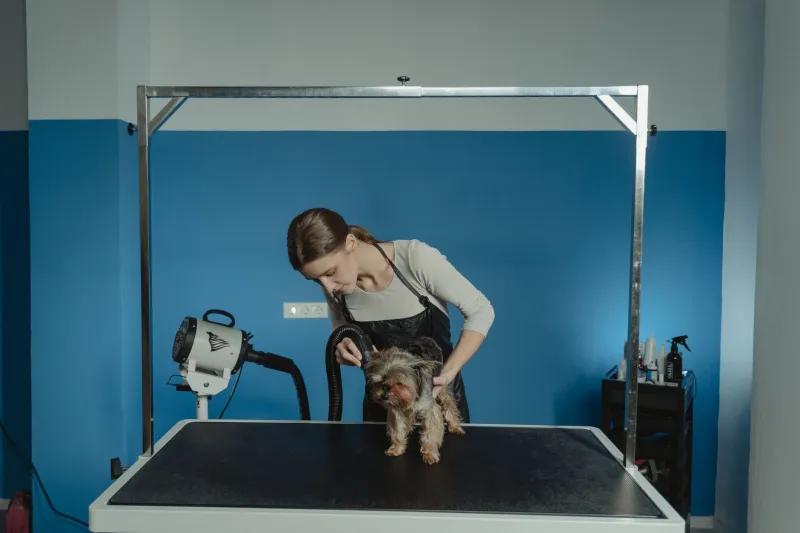
When you book, mention that your dog is a thin-skinned sighthound. It changes the plan: no clipping near the armpits or flanks, gentle handling around the bony bits, and a bath-and-towel-dry rather than a full styling session. Morning appointments are kinder in winter — your dog goes home dry with time to warm up before the afternoon walk. Nails and ears still need doing on schedule; a fine coat doesn't excuse you from those.
The indoor half of the routine
Radiator season dries the air, and dry air shows up on skin. A bowl of water near a warm radiator, or a cheap humidifier, takes the edge off. Keep beds out of draughts and away from direct heat, and resist the urge to bath more often just because your dog is indoors more. A whippet curled on a sofa under a blanket is not spoiled — it's a dog using the heating system it was born without.
Get the brushing, the washing and the layers roughly right, and winter stops being something to survive. It becomes the season of brisk walks, warm dogs and a coat that shines under the kitchen light.