The Rusty-Muzzle Mystery: Living With Saliva Stains on a Pale Coat
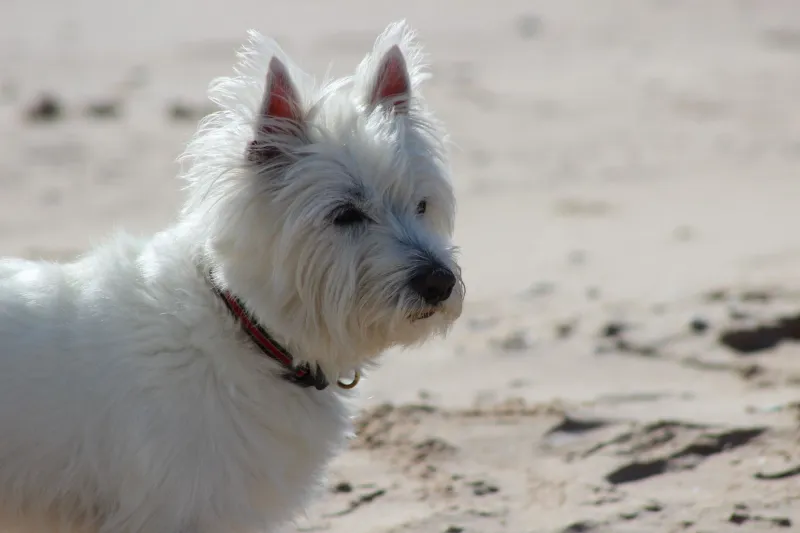
Pale-coated dogs have a special kind of glamour. A Westie with a bright white beard, a Bichon with a fluffy white bib, a Maltese with a soft, silky fall of hair — they look crisp and cheerful even after a drizzly walk. But that same light coat is also a very honest reporter. It shows every muddy paw print, every damp patch, and every bit of saliva that dries around the mouth. If your dog’s muzzle has started to look a little rusty, you are not alone. Saliva staining is common, and it is usually more about chemistry than poor hygiene.
At Smart Dog Salon, we see plenty of pale coats come in with that familiar pink-brown tint around the lips, chin, front paws and sometimes the belly or groin. The good news is that a gentle routine can make a real difference. The better news is that understanding why it happens helps you know when to simply manage it — and when to ask your vet for a second opinion.
Why pale coats show it so clearly
Saliva contains compounds called porphyrins, which are naturally present in body fluids. When saliva sits on hair and dries, those compounds can oxidise and leave a reddish-brown mark. On a dark coat, you might never notice. On a white or cream coat, it stands out like a tea stain on a tablecloth. Tears can do something similar, which is why some pale dogs also get staining around the eyes.
The mouth area is especially prone because it stays slightly warm and damp. Add in a dog who likes to lick their paws after a walk, or who nibbles at an itchy patch on the belly, and the stain has time to set. In the UK, wet weather and muddy pavements can keep paws damp for longer, while central heating and cosy indoor snoozing can make a dog more inclined to lick. It is not usually a sign that your dog is dirty. It is simply a combination of light hair, moisture and time.
The licking loop
There is a difference between a little routine grooming lick and a dog who cannot leave an area alone. Saliva stains themselves are cosmetic. The licking underneath them may not be. If your dog is licking their paws, belly or groin more than usual, that is worth paying attention to.
Common culprits include allergies — to pollen, grass, dust mites or certain foods — as well as fleas, grass seeds, sore ears, dental discomfort, anal gland irritation or joint pain. A dog with arthritis might lick a stiff paw or hip. A dog with an ear infection might scratch and then lick their front paws. Sometimes the stain is the first thing you notice, but the real story is mild discomfort elsewhere.
So before you reach for a stain remover, watch the behaviour. Is the licking new? Is it focused on one spot? Is the skin red, warm, smelly, broken or hairless? Is your dog scooting, head-shaking, limping or chewing at the air? Those are vet conversations, not grooming ones. A vet can check for infection, parasites, allergies or pain and help you tackle the cause rather than just the colour.
A gentle daily routine for pale coats
For everyday management, think dry, clean and calm. After meals and after walks, wipe the mouth and paw areas with a lukewarm, damp cloth, then dry thoroughly with a soft towel. Drying is the step most of us rush. A damp beard or paw pad is exactly where stain-forming bacteria and yeast like to settle. Keep a small towel by the door for muddy UK walks and another in the kitchen for post-dinner chin duty.
Keep the hair around the mouth and paws tidy. A hygiene trim from your groomer can reduce the surface area where saliva collects, but avoid shaving too close to pink skin, especially in summer. Short is useful; sore and sunburnt is not. If your dog is a messy drinker, a shallow stainless steel or ceramic bowl is easier to keep clean than a scratched plastic one. Rinse and refill water bowls daily, and wipe the floor around them so your dog is not lying in a puddle.
Resist the urge to use human whitening shampoo, bicarbonate of soda pastes or hydrogen peroxide. These can irritate skin and damage the coat. A mild dog shampoo is fine when it is bath time, but over-washing pale coats can dry the skin and make matters worse. If you use a dog-safe leave-in product or stain remover, patch-test it first and follow the label. Good grooming is about skin health, not bleaching.
What to ask your groomer
When you book your next appointment, mention the staining and where it appears. Your groomer can assess the coat, trim around the mouth and paws where appropriate, and check for mats or irritated skin. At Smart Dog Salon, we would rather know that your dog has been licking a paw than simply clip it short and say nothing. A small note on the booking — “pale coat, rusty chin, licking front paws” — helps us make the session useful as well as tidy.
Between visits, keep brushing gentle and regular. A soft slicker or comb through the beard and paw hair prevents little knots from trapping moisture. If your dog wears a harness, check that straps are not rubbing a damp belly or armpit. A clean, dry harness is kinder to pale coats than one that stays soggy after a rainy walk.
When to book a vet check
See your vet if the licking is sudden, constant or accompanied by redness, hair loss, odour, bleeding, limping, scooting, ear scratching or a change in appetite. Dental pain and ear problems are easy to miss, and both can drive licking. If the staining spreads despite a good home routine, or if your dog seems uncomfortable rather than simply untidy, get advice. Cosmetic staining is one thing; a painful paw or itchy skin is another.
Pale coats will never stay perfectly snow-white, and that is fine. A little rustic tint around the muzzle is often just part of living with a dog who enjoys their dinner, their walks and a good sniff. With regular drying, sensible trimming and a watchful eye on licking habits, you can keep the coat fresh between salon visits — and know when a vet, rather than a shampoo, is the right next step.