Fresh From the Table: A Gentle Seven-Day Aftercare Rhythm
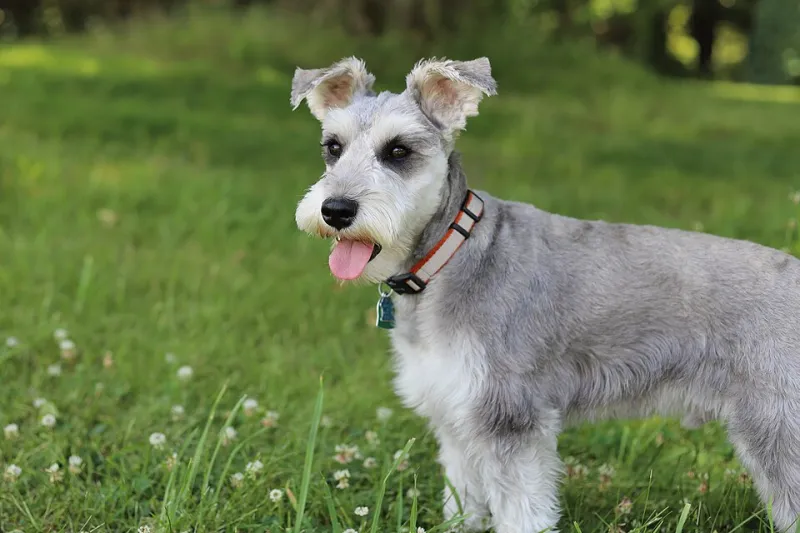
Photo: Psiberfunk, CC BY-SA 4.0, via Wikimedia Commons
There is a particular bounce to a dog who has just come back from the groomer. The coat looks neat, the paws are tidy, and even the collar sits differently. It is tempting to keep brushing, fussing and admiring every inch. The week after the salon, though, is better treated as a quiet aftercare week rather than a second grooming project.
At Smart Dog Salon, we like to think of it as a settling-in period. The groom is done. Now the job is mostly observation, gentle handling and a little common sense after muddy UK walks. Here is a simple seven-day rhythm to help a fresh coat stay comfortable and look its best for longer.
Day one: let the coat and the dog settle
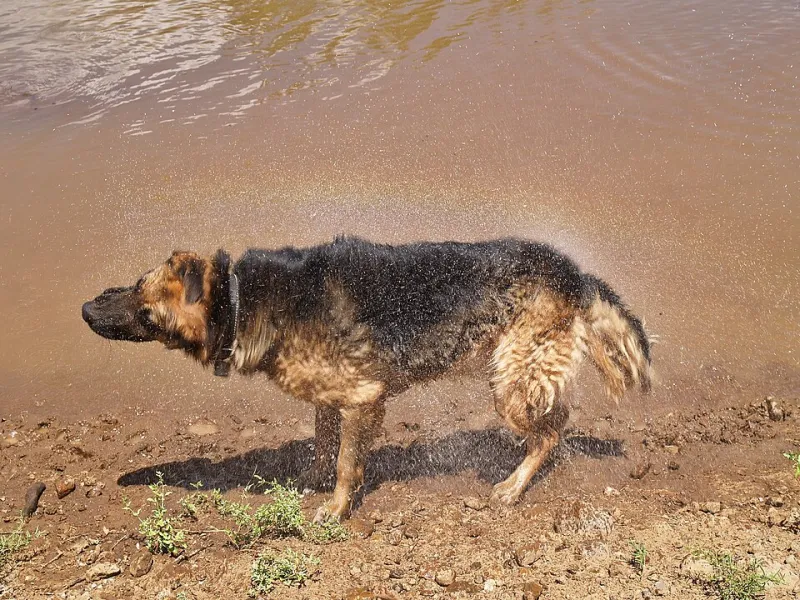
Give your dog a calm evening. A short, gentle walk is fine, but try to avoid the fox-scented patch at the end of the road and the muddy towpath that invites a full-body roll. If it is raining, dry the coat with a towel rather than rubbing hard. Pat and press, especially around the ears, armpits and back legs, where the coat has just been scissored or clipped.
Skip the bath. Skip the full brush-out. A freshly groomed coat can feel different against the skin, and some dogs are a little sensitive for the first day or two. Let them eat, sleep and settle. If they seem unusually quiet, give them space rather than a thorough inspection.
The clipper check: pink is not always a problem
On day two, have a gentle look at the areas that see the clippers most: the belly, armpits, groin, neck and the inside of the back legs. Mild pinkness can be normal after clipping, especially on pale-skinned dogs. What you are looking for is not a colour but a pattern: raised skin, scabs, swelling, a dog who flinches when you touch a particular spot, or persistent licking and scratching.
If something looks angry rather than just a bit pink, ring the salon for advice. If the skin is broken, hot to the touch, spreading or clearly painful, speak to your vet. Do not reach for human creams or antiseptic wipes unless a vet has told you to. A fresh groom is not the moment for DIY skincare.
Ears after wet walks
Flappy ears and British drizzle are a familiar combination. After a damp walk, lift the ear flap and let air get to the skin. Wipe the inside of the flap with a dry cloth or a dog-safe ear wipe, but leave the ear canal alone. Cotton buds should stay in the bathroom drawer.
Have a quick sniff and a look. A little earwax is normal. A strong smell, thick discharge, repeated head shaking or a dog who yelps when the ear is touched deserves a call to your vet. If the salon has trimmed around the ear opening, keep an eye on that area too. Clipper sensitivity there can look like head shaking at first, so check the skin as well as the ear itself.
Paws, pads and pavement grit
Tidy paws are lovely, but they still have to cope with pavements, grit, wet grass and the occasional broken bit of conker. Check between the toes after walks. Dry the feet properly, especially if your dog has a thick coat between the pads. A soft towel pressed between the toes is better than a vigorous rub.
If your dog starts licking a paw more than usual, look for redness, a small cut, a grass seed or a tender spot. Do not pick at anything that looks embedded. Ring your vet if you are unsure. And if the groomer has trimmed the hair around the pads, avoid a long, wet walk on rough ground for a day or two while the skin settles.
Days two to four: short brushes, not marathon sessions
A new shape can make you want to brush every inch. Resist the urge to turn it into a full grooming session. A five-minute gentle brush is plenty for most dogs in the first few days. Use the brush your groomer recommended, work in small sections and stop if your dog tenses, pulls away or starts to mouth the brush.
The friction points are where a fresh coat starts to tangle first: behind the ears, under the collar, around the harness straps, in the armpits and along the back legs. Check these areas daily with your fingers before you reach for a brush. If you find a small knot, tease it apart gently with your fingers or a wide-toothed comb. Do not yank at it. A tiny tangle is a five-second job; a tight mat is a salon job.
Keeping the new shape from matting too soon
Most of the matting risk in week one comes from everyday life, not from a bad groom. Harnesses that rub, collars that sit tightly, damp coats left to dry in a heap and rough towel-drying can all undo a neat finish. Make sure the harness is adjusted properly and sits away from the newly clipped areas. If your dog wears a coat in chilly weather, check the lining and straps for rubbing.
After wet walks, blot the coat and let it air dry somewhere warm but not hot. Do not put a damp dog straight into a crate or a tight bed. If your dog is a roller, a light waterproof coat on muddy walks can save a lot of aftercare time.
Days five to seven: review, ring, or simply relax
By the end of the week, you will know how the coat is settling. Make a note of any areas that are already tangling, any redness that has not faded, or any change in scratching, licking or head shaking. These notes are genuinely useful for your next appointment. They help the groomer adjust the style, the clipper blade or the trimming around ears and paws.
If all is well, keep the rhythm simple: a quick daily check with your eyes and hands, a short brush every couple of days, dry ears and paws after wet walks, and a bath only when your dog actually needs one. A fresh groom should not mean a fortnight of intense home maintenance. It should mean a comfortable dog and a coat that stays healthy between visits.
If something worries you, ring the salon for grooming questions and your vet for health concerns. That is not overthinking. It is good aftercare, and it is exactly what a freshly groomed coat deserves.