The Forecast Is the Stylist: Winter Cuts Built for Wet Pavements and Muddy Paws
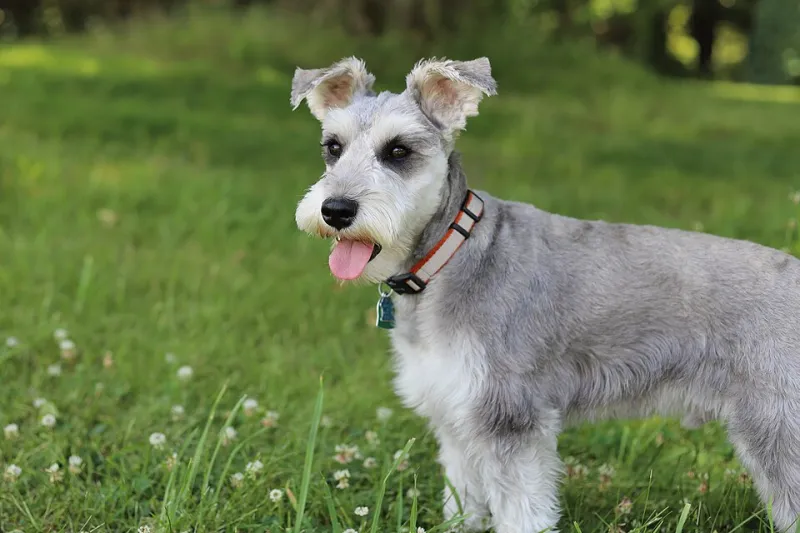
The first cold snap always brings a familiar request into the salon: can we make my dog look like a teddy bear? It is easy to see why. A rounded head, full legs and a soft, even coat photograph beautifully. But there is a difference between a trim that looks lovely for an afternoon and one that works for the fifth muddy walk of the week. In the UK, winter rarely asks politely. It brings drizzle, grit, wet pavements and a towpath that turns into chocolate mousse. A practical winter haircut should be chosen for that reality, not just for the camera roll.
The hidden cost of all that fluff
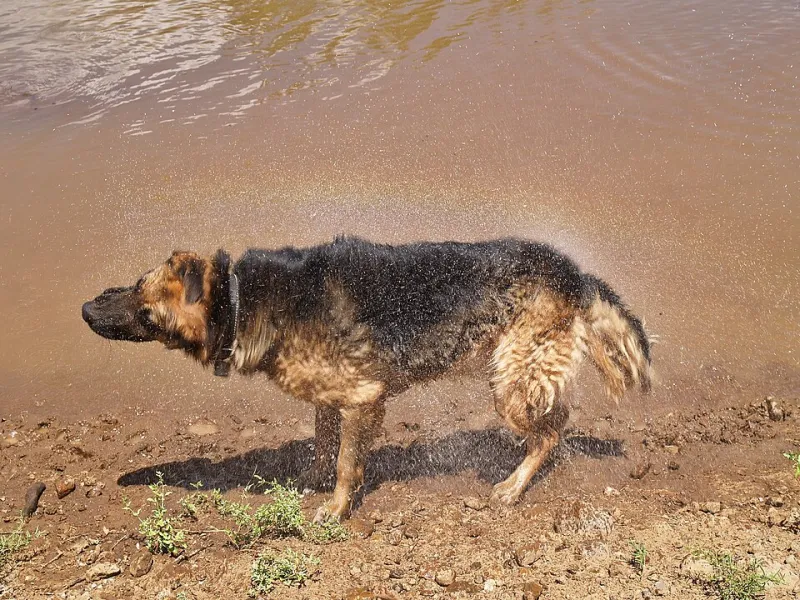
Length is not automatically a problem. Many dogs carry a fuller coat through winter quite comfortably. The trouble starts when length meets moisture and friction. Long hair on the belly, lower legs and around the paws collects mud, grit and tiny burrs. It holds damp against the skin. It takes longer to dry. It can form tight knots under a harness or where a coat rubs. None of that is a disaster, but it adds up, especially for owners who are already juggling dark school runs, early meetings and a dog who thinks every puddle is a personal invitation.
The cute cut is not the enemy. The enemy is a cut that ignores the dog’s daily life.
Begin with the coat, not the photo
Before anyone reaches for clippers, a good groomer will look at coat type. A curly coat that mats easily has different needs from a silky spaniel coat or a dense double coat. Double-coated breeds, in particular, need a careful conversation. Clipping them short is not an automatic winter fix, and it can change how the coat regrows. Often the better answer is thorough undercoat removal, tidy edges and a shape that reduces the mud-catching areas without stripping the dog’s natural protection. For curly coats, a shorter practical clip may be kinder, but the length still needs to suit the dog’s routine and the owner’s ability to brush between appointments.
This is why a breed label alone is not enough. Two cockapoos on the same street can live very different lives. One might spend weekends on muddy trails; the other might prefer dry pavements and a warm windowsill.
Drying time is part of the design
Ask yourself a simple question: how long does your dog take to dry after a wet walk? If the answer is forty-five minutes and a trail of damp towels, the winter trim should probably be shorter in the areas that get wettest. That usually means the belly, the inside of the legs and the feathering around the feet. You do not have to choose between a full shave and a soaked dog. A blended trim can keep some shape on top while taking weight out underneath.
Paws deserve their own mention. Neatly trimmed feet are easier to dry, easier to check for grit and less likely to collect compacted mud between the pads. In icy weather, that matters. So does a tidy around the sanitary area, which is less about appearance and more about comfort and cleanliness.
Mind the harness rub
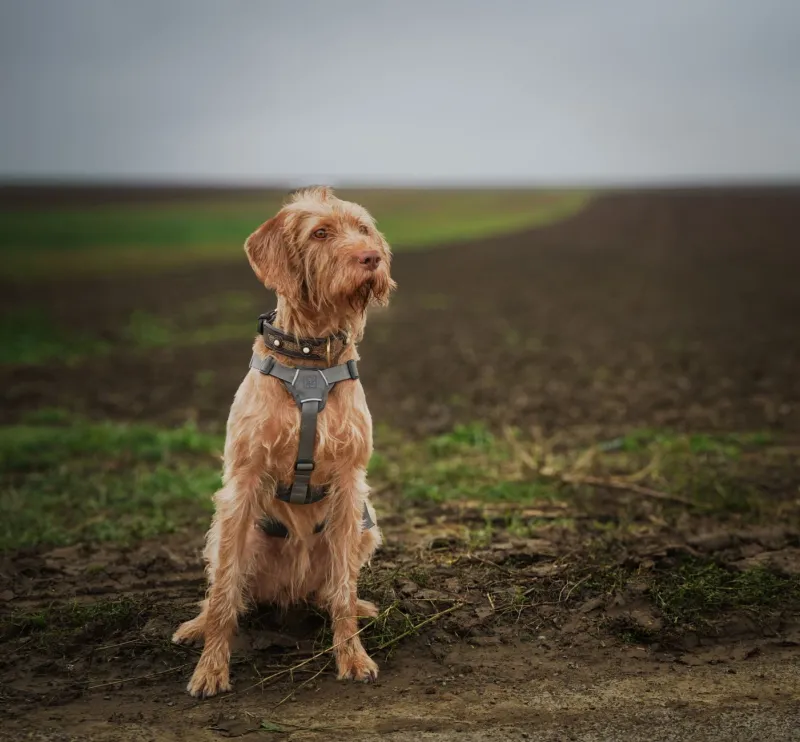
Winter layers and harnesses change how a coat sits. A strap that was fine over a short summer coat can start to rub when the hair underneath is longer, thicker or damp. If your dog wears a harness for most walks, tell your groomer where it sits. Ask them to blend the coat around the shoulder and chest so there is less chance of friction. Sometimes the best winter trim is not a uniform length at all. It is a shape that leaves protection where the dog needs it and takes bulk away from the places that cause trouble.
The walk routine test
Think about your actual week, not a perfect one. If you are mostly on pavements, a bath and tidy may be enough to keep feet and furnishings manageable. If you are out in fields, woods or on the coast, a shorter belly and lower leg will save you time at the door. If your dog wears a coat, check that the coat does not trap knots underneath. If they swim or get soaked regularly, drying becomes a priority.
The right cut should make your life easier without making your dog less comfortable. That balance is the whole job.
Questions to ask before the clippers come out
A quick conversation can prevent a trim that looks smart on day one and becomes hard work by week three. Useful questions include:
- How short can we go while still leaving enough coat for warmth and protection?
- Which areas will collect the most mud and moisture on our normal walks?
- Can we take weight out of the belly and legs but keep some shape on the body?
- How should the coat be blended around the harness?
- What will this cut look like in three or four weeks?
- How much brushing will this style need between appointments?
- Would a bath and tidy be more sensible than a full clip this time?
- What should I do if the coat gets wet or muddy on a daily basis?
A weather-first shape
For many UK dogs, a sensible winter trim is less about a single style and more about a set of priorities: tidy paws, a shorter underside, blended harness areas and enough length on the body to keep the dog comfortable. It should dry within a reasonable time, brush out without a battle and still look like your dog rather than a stranger.
That is not a compromise on style. It is style with a bit of local knowledge behind it. If the forecast is going to be wet, muddy and salty for the next four months, the groom should be built for that. Your dog can still look lovely. They just need to look lovely and be ready for the doorstep.