The Bathroom Bottle Blunder: What Human Shampoo Really Does to a Dog's Coat
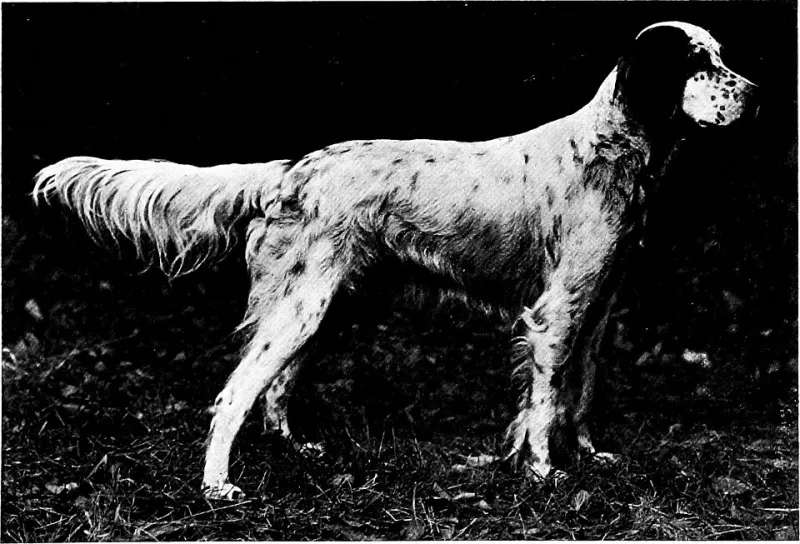
Photo: Internet Archive Book Images, No restrictions, via Wikimedia Commons
The shortcut that feels kind but isn't
It is a familiar November scene. The dog has found every muddy puddle between the front door and the park, the towels are in the wash, and the cheapest bottle in the bathroom looks like the answer. Human shampoo is designed for human hair and human scalps. Dogs are not small people in coats. Their skin has a different pH, a different oil balance and a different set of sensitivities. Using the wrong bottle is not a bargain. It is a small, repeated stress on the coat and skin.
This is not a plea for the most expensive product on the shelf. It is a plea for the right product. A dog-specific, pH-balanced shampoo does a simple job: it lifts dirt and oil without stripping the skin barrier. A human shampoo, especially a harsh or heavily fragranced one, can do the opposite. It can leave the coat squeaky clean for an hour and uncomfortably dry for a week.
Why the pH mismatch matters
Human skin is naturally acidic, usually around pH 5.5. Dog skin sits closer to neutral. When a shampoo built for human scalps is used on a dog, it can disrupt that balance. The outer layer of the skin is a barrier. When it is stripped, moisture escapes and irritants get in. The coat loses shine. The skin can flake, redden or itch.
The 'baby shampoo is fine' myth deserves a mention. Baby shampoo is milder than many adult shampoos, but mild for a baby is not the same as balanced for a dog. Fragrance, preservatives and surfactants still matter. So do essential oils. Tea tree, peppermint, citrus and eucalyptus may smell lovely to us and be irritating to a dog. Some ingredients are toxic if licked. A dog grooming product should be chosen for a dog, not borrowed from a human bath shelf.
The signs owners miss
Coat problems rarely arrive with a flashing light. They arrive as small changes that become normal. Watch for:
- A dull coat that never quite shines, even after a bath.
- White flakes on dark fur or a scurf-like look along the back.
- More scratching, nibbling or rubbing against the sofa.
- A greasy feel within a day or two of washing.
- A stale or 'doggy' smell that returns faster than expected.
- Redness, sore patches or a dog who flinches when touched.
- Tangles and matting that seem worse after bathing.
The greasy feel is often the most confusing. Owners assume the dog is dirty and wash again. In reality, the skin may be overproducing oil to compensate for being stripped. More shampoo makes the cycle worse. Central heating, cold winds and wet winter walks add to the drying effect. A coat that is already struggling does not need a stronger bottle. It needs a gentler routine.
What salon-safe actually means
Salon-safe does not mean mysterious or expensive. It means the product is formulated for dogs, used at the right dilution, and rinsed properly. Professional groomers tend to use diluted shampoo because it spreads more easily and rinses out faster. They also use lukewarm water, not hot. They pay attention to the places that hold residue: the armpits, groin, behind the ears and around the collar line.
If your dog has sensitive skin, look for a gentle dog shampoo with a short ingredient list. Oatmeal-based options are popular for dry or itchy skin. Medicated shampoos should be used on veterinary advice, not as a guess. Conditioner is not essential for every dog, but a light dog-specific conditioner can help long or double coats. Human conditioner is another bathroom shortcut best left on the shelf.
The what-to-use-instead checklist
- Choose a dog-specific, pH-balanced shampoo. If you are unsure, ask your groomer what suits your dog's coat type.
- Dilute the shampoo according to the label. A little goes further than most owners expect.
- Use lukewarm water and wet the coat thoroughly before applying.
- Work the shampoo into the coat with your fingers or a soft sponge. Avoid the eyes and inside the ears.
- Rinse until the water runs clear, then rinse again. Residue is a common cause of itching.
- Pat the coat dry with a clean dog towel. Rub gently rather than scrubbing.
- Dry the ears and skin folds carefully afterwards.
- Brush once the coat is dry to help distribute natural oils.
- Keep dog shampoo separate from human bottles so nobody grabs the wrong one in a rush.
- If the skin is red, broken, smelly or very itchy, speak to your vet before bathing again.
A busy household plan
Most dogs do not need a full bath every week. How often depends on coat type, lifestyle and how muddy the local walks are. A Cocker Spaniel who loves the river may need more frequent rinsing than a short-coated dog who prefers the pavement. Between baths, a damp towel for the paws and undercarriage can remove a lot of grime. A clean towel by the door is cheaper than a bottle of shampoo and much kinder than a full wash every day.
If your dog visits a groomer, ask which products they use and how often they recommend bathing at home. A good groomer will tailor the answer to the coat in front of them. Smart grooming is not about a bathroom full of bottles. It is about matching the product to the dog, rinsing well and knowing when to stop.
The cheapest bottle in the bathroom can cost a lot in itchy skin, dull coats and vet visits. The better bargain is a dog-safe shampoo, used sparingly and rinsed properly. Happy dogs, healthy coats, smarter grooming.