The Winter Coat Club: A 2026 Grooming Rhythm for Double-Coated Dogs
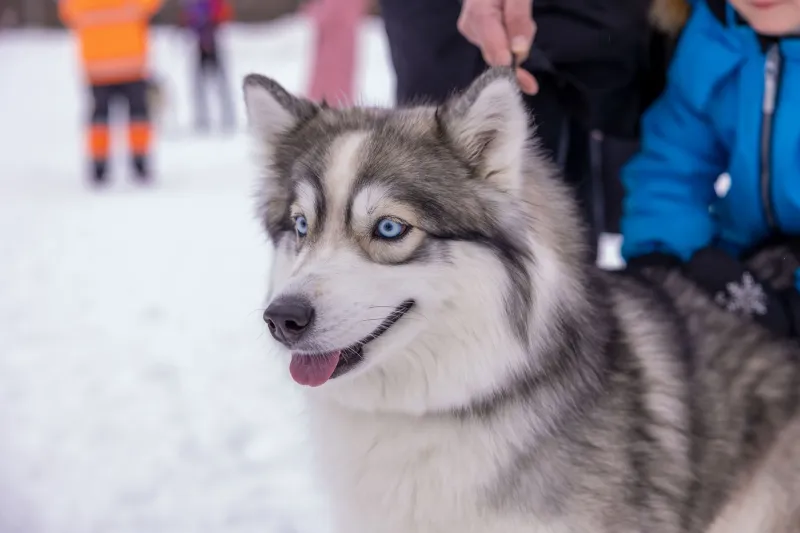
Winter in the UK has a particular talent for making dogs muddy, damp and unexpectedly fluffy. One minute you are walking through a crisp park; the next, your German shepherd has found the only patch of bog in the postcode. Add central heating, shorter daylight hours and a coat that was designed for snow, and double-coated breeds can quickly become compacted, itchy and uncomfortable.
This is not a call to reach for the clippers. It is a call to adjust your grooming rhythm.
The double coat is not a winter coat to shave
Double-coated dogs — think huskies, malamutes, German shepherds, golden retrievers, Labradors, border collies and many spitz breeds — have two layers. The soft undercoat traps air and insulates; the harsher guard hairs keep out wind, rain and dirt. That system works in both cold and warm weather. Shaving it off does not make a dog cooler or cleaner. It removes protection, can affect how the coat grows back and leaves skin exposed to sun and grit.
Some owners worry that a thick coat is uncomfortable indoors. Often the issue is not the coat itself but a build-up of loose undercoat. Removing that dead fluff carefully is far kinder than clipping the whole dog. A groomer may trim hygiene areas, paw pads or around the eyes for comfort, but a full body shave is rarely the right answer for a double-coated breed.
Central heating and the indoor moult
British homes tend to go from chilly to cosy overnight. When the heating comes on, dogs spend more time on sofas and less time outside. That indoor warmth can loosen undercoat, which then ends up on rugs, in corners and — somehow — inside the car. Instead of one marathon brushing session every few weeks, try little and often. Ten minutes with a slicker brush and a metal comb a couple of times a week is usually more effective than a 45-minute battle on a Sunday.
Work in sections. Brush with the lie of the coat, then against it gently, then smooth it back down. Pay attention to the places that hide trouble: behind the ears, under the armpits, along the flanks, around the tail base and between the back legs. If the comb snags and will not glide through, stop. That is compacted undercoat, not a challenge to be won with force.
Mud, wet walks and drying time
A wet undercoat is heavy, smelly and prone to matting. After a muddy walk, rinse the worst off with lukewarm water if needed, then towel dry thoroughly. Do not rub hard in circles; pat and squeeze instead. A low-heat pet dryer is useful for double-coated dogs, especially in winter, but keep it moving and check the skin with your hand. If your dog is worried by the noise, use a towel and a warm room rather than forcing the dryer.
Dry the armpits, groin, ears and between the toes properly. Damp patches in those areas can become sore or infected. Keep a towel by the door and a stack of old towels in the car. If your dog has long feathering on the legs or tail, a quick comb once dry will stop small tangles becoming big ones.
When the undercoat becomes compacted
Compacted undercoat feels like felt close to the skin. It does not brush out easily, and it can trap moisture and irritate the skin. This is the point where many owners reach for scissors. Please do not. Mats and clumps are easy to catch in skin, and a groomer can remove them safely with the right tools and handling.
A salon de-shed is designed for exactly this situation. It usually involves a bath, a thorough blow-dry to loosen dead coat, and careful brushing with undercoat rakes and combs. The aim is to remove the loose undercoat while keeping the guard hairs. It is not the same as clipping. If a coat is badly matted, a groomer may need to clip some areas for welfare reasons, but that is a last resort and should be explained clearly.
The winter rhythm that works
Think of winter grooming as maintenance rather than emergency rescue.
Weekly: a quick line brush, a paw check and a look behind the ears. Trim any fur that drags through mud between the paw pads if it is causing discomfort, but leave the coat itself alone.
Fortnightly: a bath if your dog is muddy or smelly. Use a dog-specific shampoo and rinse well. Over-bathing strips natural oils, so do not make it a weekly habit unless your groomer or vet advises it.
Monthly: a proper comb-through to the skin. If you find more than a few small snags, book a de-shed appointment rather than spending hours tugging at home.
Seasonally: book a winter de-shed in late autumn or early winter, before the heating has been on for weeks. A second appointment in late winter can help with the change of coat.
Know when to call in the professionals
Book a groomer if your dog has compacted undercoat, matting close to the skin, skin redness, a persistent smell or a coat that stays damp for hours. Also book if your dog dislikes brushing — a groomer can use cooperative handling and the right equipment, and you can learn a calmer home routine.
Double-coated dogs are not low-maintenance in winter, but they are not complicated either. Keep the coat clean, dry and free of dead undercoat, skip the clippers and work with the coat rather than against it. Your dog gets to stay warm, your home gets a little less furry, and your groomer gets a dog who is comfortable from nose to tail.