The Boot-Room Tidy: A Practical Autumn Setup for Wet, Muddy Dogs
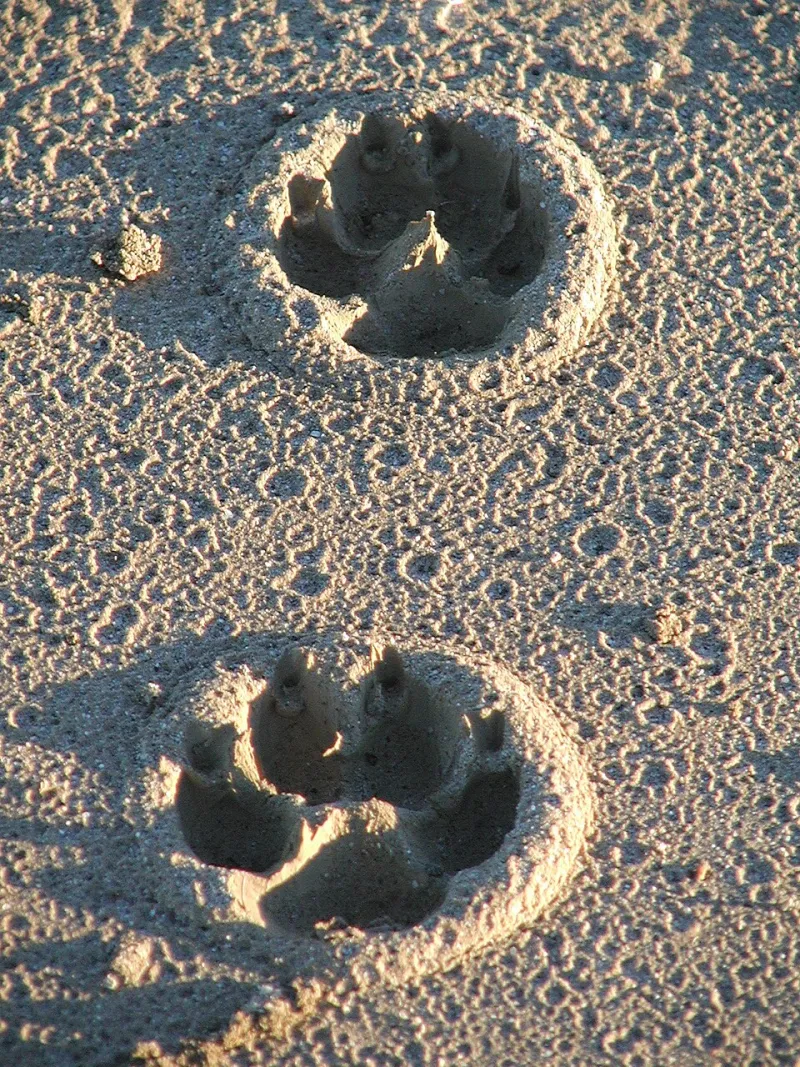
Photo: Nance Pomerene, CC BY-SA 4.0, via Wikimedia Commons
Autumn in the UK has a habit of arriving on the soles of your dog's feet. One minute you are walking through crisp leaves, the next you are doing a hallway shuffle with a wet, muddy spaniel and a trail of paw prints heading towards the stairs. The boot-room tidy is not about keeping a show-home hallway. It is about making the first two minutes after a walk calmer, cleaner and kinder to your dog's coat and skin.
A good doorway setup also buys you time between salon visits. Mud that sits in paw fur can dry into hard little clumps, and damp coat left against the skin can become uncomfortable or matted. A few sensible habits can make a real difference without turning every walk into a full grooming session.
Create a landing zone that works for real life
Pick the door your dog actually uses. For most of us that means the back door, utility room or a narrow hallway that already holds four pairs of wellies. Keep the kit close enough to reach with one hand while the other hand is holding a lead. A washable mat, a lidded caddy and a hook for a towel are more useful than a beautiful basket that gets knocked over.
If space is tight, think vertically. A small over-door hook can hold a towel, and a shallow plastic tub can live under a bench. The aim is not fancy storage. It is a clear routine: lead off, paws checked, coat blotted, treat given, dog settled.
What to keep by the door
Build a simple kit and refill it weekly. You do not need a cupboard full of products, but the basics should be easy to grab.
- Two microfibre towels for legs and belly, plus one old bath towel for really wet days.
- A bottle of lukewarm water or a dog-safe paw rinse for muddy feet.
- A small shallow basin or travel paw washer if your dog tolerates it.
- A soft brush or wide-toothed comb for mud that has already dried.
- A dog-safe detangling spray for longer coats, used sparingly.
- A torch for dark evening walks and a jar of small treats for co-operation.
- Waste bags, a spare lead and a towel that can be washed hot.
Skip perfumed human wipes, harsh cleaning sprays and anything that stings cracked paws. If your dog has a skin condition, ask your vet or groomer before trying a new rinse or spray.
The two-minute doorway routine
The trick is to deal with the worst of the mud before it dries. Keep movements slow and cheerful, especially with puppies or nervous dogs.
- Take the lead off inside the doorway, not in the middle of the hall.
- Rinse paws with lukewarm water if they are caked in mud. Start at the top of the foot and work down, rather than pushing mud further between the toes.
- Blot the legs, belly and chest with a towel. Press rather than rub hard, particularly on curly or long coats.
- Check between the toes and around the pads for grit, leaf litter, small stones or brambles.
- Dry the ears gently if they are wet, but do not push anything into the ear canal.
- Give a treat and let your dog settle somewhere warm and draught-free.
If your dog is soaked through, a second towel and a short time in a warm room will do more than a hot hairdryer. Never use a hot setting close to the skin, and never leave a wet dog near a radiator without supervision.
Drying different coat types safely
Every coat holds water differently. A quick towel-down that works on a whippet will not be enough for a thick-coated retriever or a curly doodle.
Short, smooth coats dry quickly. Towel firmly but kindly, then let your dog finish drying indoors. A chamois-style towel can help lift water from the surface.
Double coats need patience. The undercoat can stay damp long after the topcoat looks dry. Blot as much water as you can, then allow the coat to air dry in a warm room. Brush only when the coat is fully dry, as brushing a damp undercoat can pull and break hair. Do not shave a double coat to make drying easier; it can affect how the coat grows back and how well your dog copes with weather.
Curly and wool coats can trap moisture in tight curls. Squeeze water out with a towel, separate curls with your fingers, and dry on a cool setting if your dog is comfortable with the sound. Avoid rubbing vigorously, which can turn small tangles into mats. If the coat feels heavy or clumped, book a salon appointment rather than tugging at it at home.
Long, silky coats need attention to feathering on the legs, ears and tail. Blot the worst of the water, then comb gently once dry. Check behind the ears and under the front legs, where damp hair can rub and mat.
Paw habits that protect skin and reduce matting
Paw care is where a little routine pays off. Keep the fur between the pads tidy, but leave trimming to your groomer if you are not confident. Scissors near wriggling toes are a risk, and paw-pad mats can be painful.
Dry between the toes after wet walks. Damp, muddy fur left in that warm little space can become uncomfortable and smelly. If your dog licks their feet constantly, limps, or has red skin between the toes, ask your vet.
Check nails regularly, especially if your dog walks mostly on grass. Long nails can change how the paw meets the ground. Your groomer can trim them and show you how much to take off safely.
Finally, do not cut out mats with household scissors. It is easy to catch skin, especially in paw fur and behind the ears. A groomer can remove mats safely and advise on a home routine that keeps them from coming back.
When the doorway kit is not enough
A doorway routine is a first aid step, not a replacement for proper grooming. Book a salon visit if the coat stays damp, if mats are forming behind the ears or under the legs, if paw fur is compacted with mud, or if your dog is uncomfortable being handled. A good groomer will not just tidy the outside; they will help you spot the small changes that keep your dog happy and healthy between appointments.