The Exit Interview: A Calm Five-Minute Chat That Improves Every Groom
You are at the counter, card machine beeping, dog wriggling at the end of the lead, and the November drizzle already starting outside. It is tempting to say a quick thank you and make a dash for the car. But that little pause before you head out the door is one of the most useful parts of the whole appointment.
A calm five-minute chat with your groomer is not a formal review or a test. It is a simple exchange of information that helps you understand what happened during the groom, what to watch at home, and what will make the next visit easier. Think of it as a handover, not a hurry.
Start With the Coat You Can See and Feel
Your groomer has just spent time with every inch of your dog's coat, so they will notice things you might miss in the rush of daily life. Ask how the coat handled overall. Was it softer than expected? Did any areas feel coarser or drier? Were there small knots hiding under the harness line or behind the ears?
The useful question is not just 'how did it go?' but 'was there anywhere that needed extra attention?' That gives you a specific place to check at home. With central heating on and damp walks becoming the norm, coats can change quickly in November. A patch that felt fine last month may now be drier or more prone to tangling.
Ask which brush or comb they would use between now and the next appointment. You do not need a cupboard full of tools — one sensible recommendation is more helpful than five vague ones.
The Skin Check Is More Than a Quick Peek
Groomers see the whole dog, including the bits you might not examine closely at home. Ask whether they noticed any redness, flakiness, lumps, grazes or irritation. It might be something small, like a touch of dryness near the tail base, or something worth showing your vet.
You are not asking for a diagnosis. You are asking for observations. If your dog has been scratching more than usual, mention it. If you have spotted a new lump or a changed patch of skin, say so. The groomer can tell you what they saw during the appointment, and you can decide whether it needs a vet check.
This is also a good moment to ask whether the shampoo used suited your dog's skin. If your dog has sensitive skin or a history of dryness, a quick note on the salon record helps everyone next time.
Ears, Eyes and the Bits In Between
Floppy ears, hairy ear canals and damp weather are a familiar combination in the UK. Ask whether the ears looked clean, waxy or irritated. Did your dog seem sensitive when they were handled? Was there any odour? These are useful details to note, especially for spaniels, setters and other breeds prone to ear trouble.
Eyes are worth a mention too. Tear staining, small crusts or redness around the eye can be easy to overlook at home. Ask if anything looked different from last time. The same goes for paw pads and the spaces between the toes — a classic hiding place for grit, small stones and the kind of mud that sets like concrete.
Nails and Paws: The Details That Change How Your Dog Moves
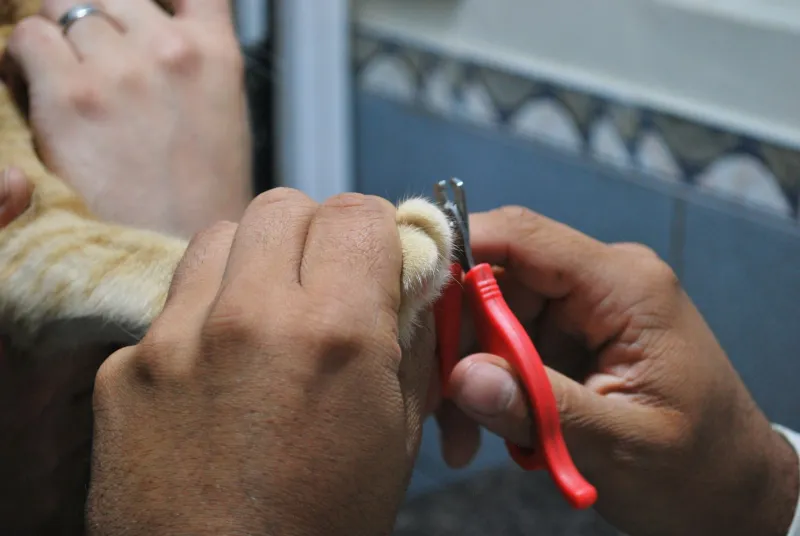
Nail length is not just a cosmetic issue. Long nails can affect posture and comfort, and they can make walks feel different. Ask whether the nails needed much taken off, and how often they would recommend a trim between full grooms.
Paw pads are worth a quick question as well. Were they cracked, sore or overgrown with hair? Did your dog seem tender on any foot? If your groomer found a small issue, ask what you can do at home — a simple paw balm or a regular check after muddy walks might be all that is needed.
Behaviour Tells a Story Too
A groom is a physical experience, and dogs communicate through their body language. Ask how your dog settled. Were they relaxed with the dryer? Did they tolerate having their face or feet handled? Was there a moment when they needed a break?
This is not about blame or embarrassment. It is about information. If your dog was worried about the clippers near their ears, you can practise gentle handling at home before the next visit. If they were fine with the bath but restless on the table, the groomer can plan a different approach next time.
A good salon will welcome this conversation. A calm dog is not a lucky accident — it is often the result of small adjustments and familiar routines.
What to Check Yourself Before You Go
Once you have asked your questions, give your dog a quick once-over while the lead is still on. Run your hands over the coat, especially under the collar, around the harness area and at the tail base. Check the ears, look at the eyes and lift each paw. You are not looking for perfection; you are getting to know what normal feels like for your dog.
If you spot something that concerns you — a small nick, an odd patch, a tender spot — ask about it before you leave. Most groomers would much rather have that conversation at the counter than hear about it days later.
Turn the Chat Into a Plan
You will not remember every detail once you are back in the car. Jot a few notes on your phone: the one area to brush more often, the ear that needs a weekly check, the nail appointment to book, the product that suited your dog's coat. Ask for one clear takeaway if you are short on time.
Before you zip the lead, confirm the next appointment if you want one, and ask whether there is anything you should do in the meantime. That is the whole handover. No lengthy form, no pressure — just five calm minutes that help you get more from every groom and keep your dog comfortable between visits.
Happy dogs, healthy coats, smarter grooming. It starts with a good conversation.