The Sorry Reflex: What to Say Instead When Your Dog's Coat Has Gone Sideways
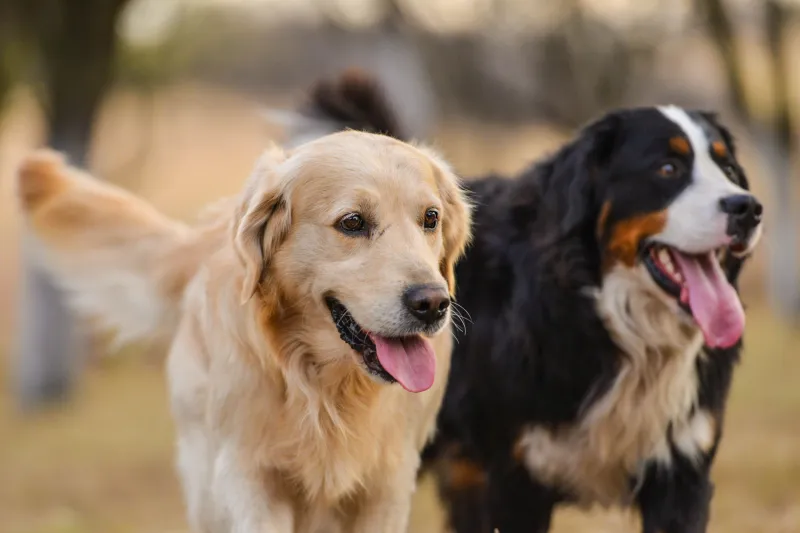
Photo: dog groomer gently checking matted dog coat in bright salon, via d.newsweek.com
There is a familiar scene at the salon door. A dog arrives with a coat that has seen better days, and the owner starts apologising before the lead is unclipped. Sorry about the ears. Sorry about the mud. Sorry, I know he is a state. The apology is meant kindly, and groomers hear it every week. But it is rarely the thing that helps the dog most.
The apology reflex is understandable
Most owners are not neglectful. They are busy, human and living with British weather. A wet walk turns into a muddy towel-down, the brush gets put away damp, and suddenly there is a knot behind one ear that was not there last month. Add a dog who dislikes being handled, a few weeks of illness, a house move or a painful joint, and a coat can slip out of its usual rhythm very quickly.
Social media does not help. It is full of freshly trimmed dogs with neat feet and brushed-out tails, usually photographed on the one day everything went right. Real coats get damp, rub under harnesses and collect twigs. That does not make you a bad owner. It makes you someone with a dog and a calendar.
What groomers are actually looking at
When a groomer assesses a matted or overdue coat, they are not scoring your housekeeping. They are looking at the dog. Where are the mats sitting? Behind the ears, under the armpits, around the groin, beneath a harness or along the tail are common spots. Is the skin visible? Is it red, sore or hidden by tight knots? Does the coat feel damp? Is the dog comfortable being touched in that area?
Mats are not just a cosmetic problem. A tight knot can pull on the skin, restrict movement and hide sores or irritation. Some can be worked out gently with the right products and a patient dog. Others are safer to clip shorter, especially where the skin is delicate or the dog is elderly, wriggly or sore. Clipping a matted coat is not a punishment or a style choice. It is often the kindest route back to comfort.
Say it before you arrive
A short message before the appointment can do more than a paragraph of apology at the door. You do not need to write an essay. Send the salon the details that change the plan: your dog's breed or coat type, when they were last groomed, what you have tried at home, and where the problem areas are.
Mention anything that has changed recently. A new harness, more swimming, a house move, a course of medication, a dog who is slower on walks or a sudden dislike of having their back end touched all matter. So does temperament. If your dog is fine with their front paws but hates their tail being lifted, say so. The groomer can book the right amount of time and approach the appointment differently.
Photos can help, too. Daylight pictures from the side, the top and underneath the dog give a useful picture of coat condition. You do not need a professional photoshoot. A clear snap on your phone is enough.
A few practical warnings are worth sharing. If you have bathed a matted coat, tell the salon, because water can tighten knots. If you have tried to cut out a mat with kitchen scissors, say so. If the skin looks angry or your dog is licking a spot, mention it. These are not confessions. They are useful facts.
The two-line note that does more than sorry
A good pre-appointment note sounds less like an apology and more like a briefing. Something like this: Bertie is a nine-year-old cocker spaniel, last groomed in August. He has tight mats behind his ears and under his harness. He is fine with his front paws but dislikes his back end being touched. He is on medication for arthritis. I would rather he was comfortable than tidy.
That tells the groomer what they need to know. It gives them permission to prioritise welfare over appearance. It also makes the appointment less stressful for everyone, because nobody is guessing.
A welfare-first reset, not a telling-off
If a coat has gone too far, the answer is rarely a lecture. It is a plan. That might mean clipping short, checking the skin, booking a shorter interval before the next groom and showing you a simple home routine that actually fits your week. It might mean a different harness, a gentler brush or a conversation with your vet if the skin is sore.
A good salon will explain the options clearly, including cost and time, without making you feel small. You are allowed to say: I have fallen behind and I need a practical plan. That is enough. No shame in the mane, and no need to perform a confession at reception.
The dog does not care about the apology. They care about being comfortable. The groomer does not need a sorry. They need the details. Drop the apology at the door, bring the honest briefing instead, and let the next appointment be about a happier dog and a healthier coat.