The Ice-Ball Handover: A Calm Winter Routine for Paws, Feathering and Fluff
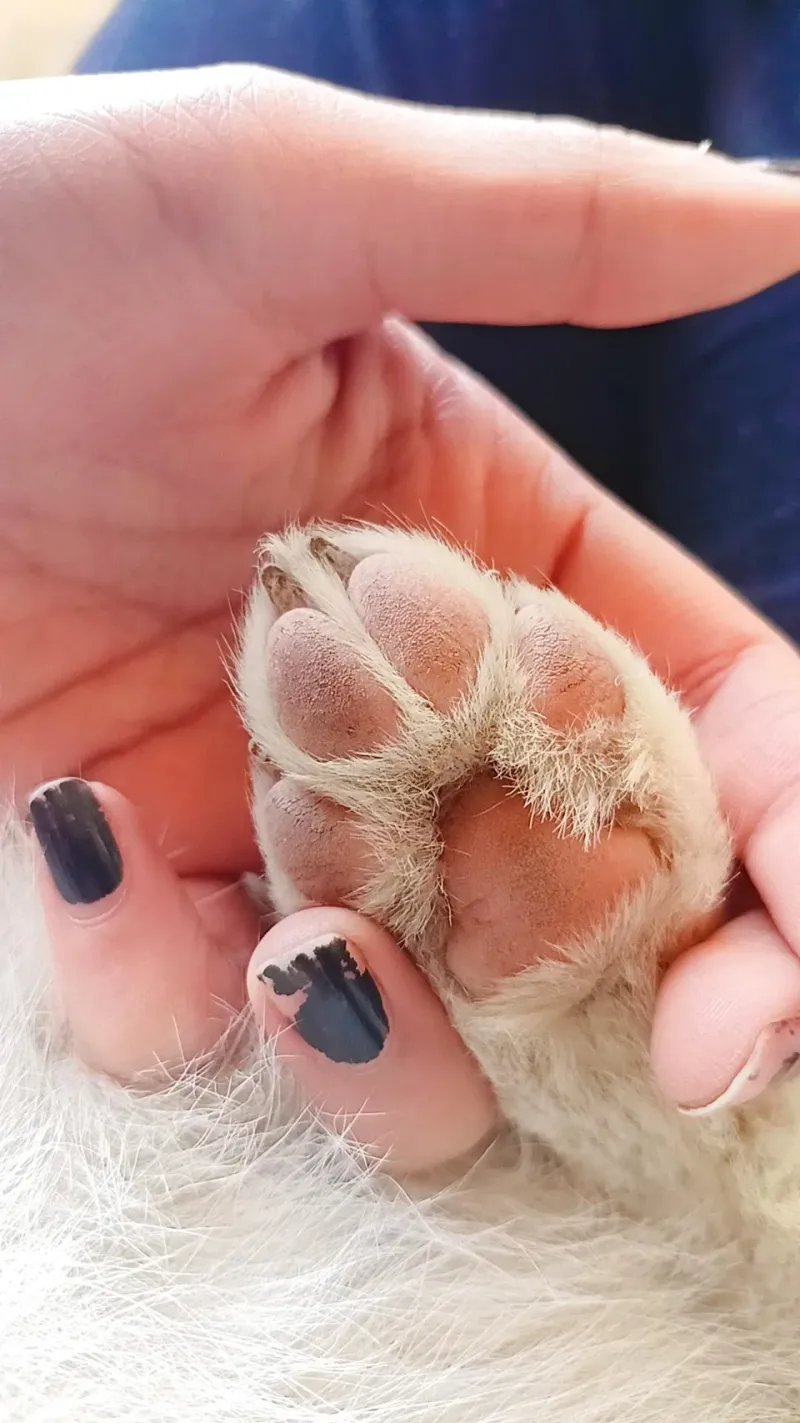
Photo: Mahakhanswal, CC BY-SA 4.0, via Wikimedia Commons
Winter in the UK has a habit of arriving in fits and starts. One week it is mild enough for a light jacket, the next there is a proper crunch underfoot and your dog is walking like they have borrowed someone else's legs. That stilted gait is often the first clue that winter has attached itself to the coat: ice balls packed between paw pads, snow gathered in feathering, and little frozen nuggets hanging from the ends of a doodle's legs.
They are not just a nuisance. Ice balls can make walking uncomfortable, irritate skin and turn a happy plod into a stop-start shuffle. The good news is that a calm, sensible routine at the door can deal with most of them, and a groomer can step in when the coat needs more than a towel and a bit of patience.
Why Ice Balls Pick the Worst Spots
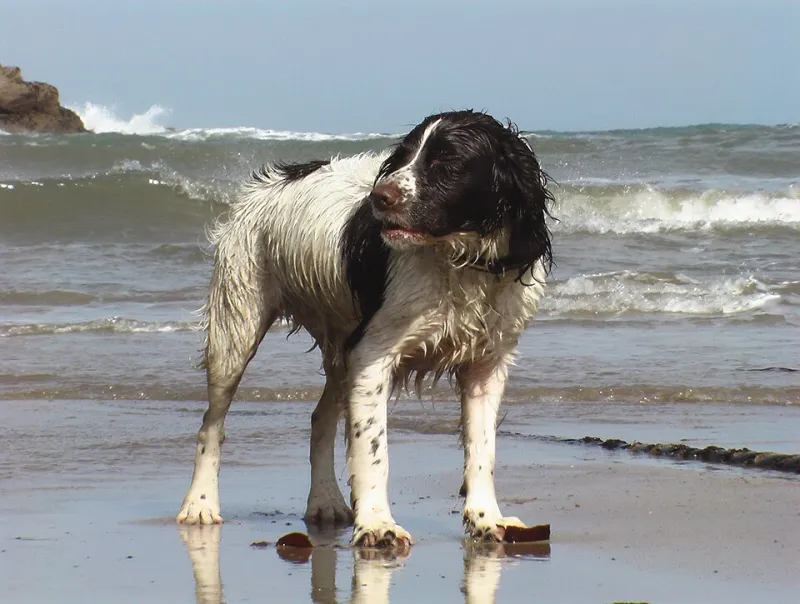
Snow is good at finding the places where hair is longest, softest or closest to the ground. On paws, it packs into the hollow between the pads. Body heat melts the first layer, the cold pavement refreezes it, and before long you have a small, hard lump that changes how your dog stands. Feathering on spaniels, setters and other long-legged breeds acts like a snow trap. Woolly coats and doodle curls collect it around the ankles, belly and tail. Grit and salt can make the whole thing worse by sticking to damp hair and drying it into a stiff, uncomfortable texture.
Your dog may tell you in obvious ways: lifting a paw, stopping mid-walk, nibbling at their feet, sitting down suddenly or refusing to move. Some dogs go quiet instead, which is why a quick check at the door is worth making a habit.
The Doorstep Check Before the Clumps Set
Before your dog flops onto a warm sofa, take a minute at the door. Towel off loose snow, then look at the paws, the feathering and the belly. If ice balls have already formed, deal with them before the coat starts to thaw into a damp, matted mess. A dog lying in front of the radiator with snow melting into the undercoat is a recipe for tangles that were not there an hour ago.
Keep a small winter basket by the door: a towel, a shallow bowl, a flannel, a wide-toothed comb and a few treats. It sounds fussy, but it means you are not hunting for a cloth with one hand while your dog drips on the hall floor.
Safe Removal: Room-Temperature Water, Not Hot Water
The safest way to remove an ice ball is to melt it slowly. Fill a bowl with room-temperature water, not hot water from the tap. Hot water can sting cold skin and is a shock after a freezing walk. Stand your dog on a towel, dip the paw for 30 to 60 seconds, then pat dry. For feathering, hold the clump in a cupped hand, press a room-temperature wet cloth against it and let it soften. Once it loosens, tease it apart gently with your fingers or a wide-toothed comb.
Do not pull. Do not use scissors near skin. Do not aim a hot hairdryer at paws or feathering. If your dog is sensitive, do one paw at a time and reward each small step. A smear of peanut butter on a lick mat can make the whole operation feel less like a veterinary inspection.
Pre-Walk Prep That Actually Helps
A little preparation goes a long way. Keep the hair between the paw pads neat, but do not shave it right down to the skin. That hair provides a bit of protection and cushioning. Ask your groomer for a tidy rather than a bald paw. For feathering and doodle legs, a light detangling spray before a walk can reduce how much snow clings, but test it on a small area first and avoid anything greasy, which tends to attract grit.
On deep-snow days, choose shorter routes and avoid drifts where your dog will be chest-deep. Rinse paws after walks on gritted pavements, then dry them properly. A dog with damp feet and damp feathering is a dog heading for a chilly, tangly evening.
Why Over-Trimming Is Not the Answer
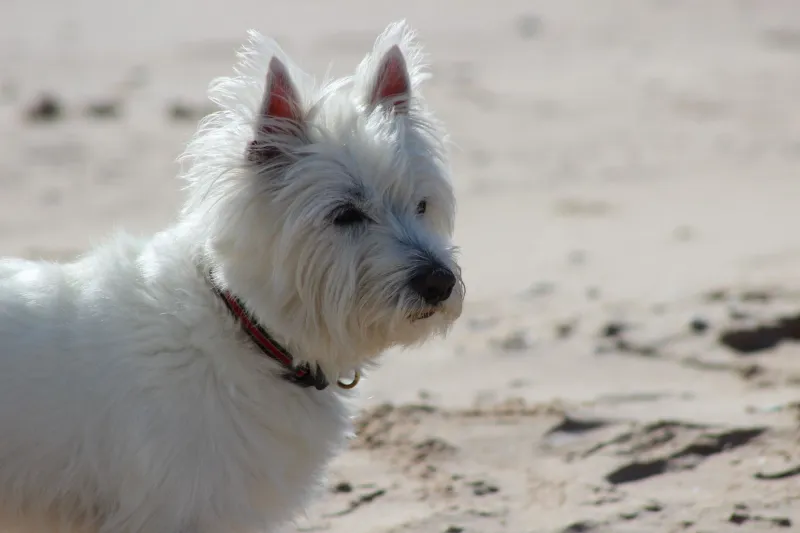
When ice balls become a daily battle, the temptation is to take the lot off. Please do not. Feathering, woolly legs and doodle coats are not just decoration; they insulate and protect. Shaving too close can leave skin exposed to cold, salt and wet, and regrowth can be patchy or slow. A very short coat can also create blunt, spiky ends that seem to collect snow just as eagerly. A professional trim can shorten the coat enough to make management easier without stripping away its purpose.
When It Needs a Groomer, Not a Kitchen Sink
Some clumps are beyond the towel-and-bowl stage. If ice has felted the feathering tight against the skin, if the coat is already matted, if your dog will not let you near the area, or if the skin looks red, sore or broken, stop. Repeated freeze-thaw can turn loose hair into a solid mat, and mats can hide skin problems. A groomer has the tools, the drying setup and the hands-on experience to remove the clump safely and assess what is going on underneath.
It is also worth booking a maintenance groom if your dog is regularly coming home with ice balls in the same places. A small adjustment to the coat shape in autumn can make the whole winter easier. In the salon, we would rather see a dog halfway through the season for a tidy-up than wait until the feathering has formed a solid curtain.
The After-Walk Ritual
Once the ice is gone, dry the paws and feathering thoroughly, check between the toes and have a quick feel along the belly and tail. Keep the dog warm and let the coat settle. A weekly brush, a clean brush and a dry coat are simple things, but they are the difference between a winter coat that copes and one that clumps.
Ice balls are part of a British winter, but they do not have to run the walk. Slow melting, room-temperature water, a bit of pre-walk thought and a sensible handover to a groomer when needed will keep your dog comfortable, your hallway drier and the coat in better shape for the thaw.