The Three-Second Paw Rule: Building Trust Before the Clippers Come Out
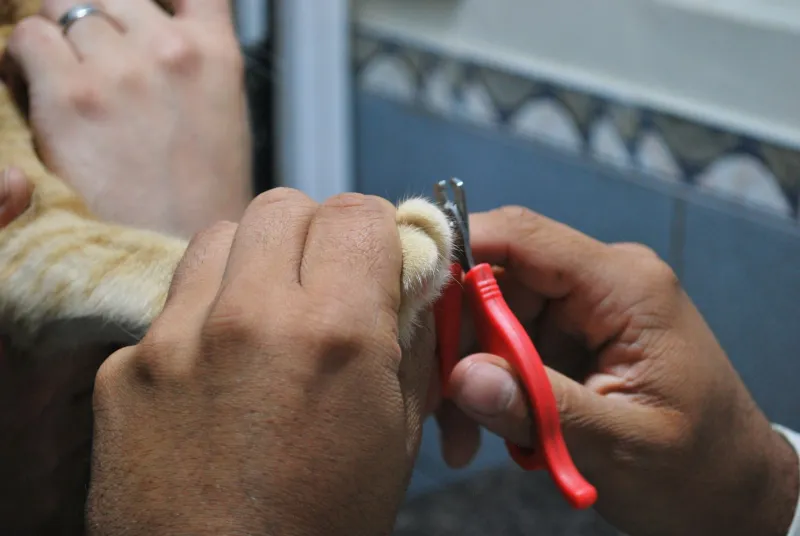
Nail trims have a reputation for turning calm dogs into wriggling bricks. It is rarely about being naughty. Paws are sensitive, clippers make odd noises and being held still can feel strange. Whether you share your home with a sturdy terrier or a long-legged lurcher, the goal is the same: build a small, repeatable truce rather than winning a wrestling match.
Start with the paw you already have
Before any clipper appears, spend a week or two on simple handling. The core exercise is what I call the three-second paw rule. Touch a paw, offer a tiny treat, then let go before your dog pulls away. That last part matters. If you always release first, your dog learns that paw contact predicts something good and that they have some say in the process.
Work through one paw at a time, perhaps while you are both on the sofa rather than at a grooming table. Use something genuinely valuable — a sliver of cheese, a bit of cooked chicken or a favourite soft treat. Aim for neutral acceptance, not a party. If your dog moves off, let them. End on an easy win and try again tomorrow.
Why UK paws need a plan
Between wet-weather walks, muddy towpaths, gritty pavements and hard floors at home, UK dogs ask a lot of their paws. Nails that are too long can change how a dog stands and moves. They may click on laminate, struggle for grip or shift weight awkwardly. For older dogs, that matters even more. A nail routine is not vanity; it is part of everyday comfort.
Winter adds its own complications. Wet paws need drying, muddy paws need checking, and long nails can trap more grime. A weekly paw check is far easier than a monthly rescue mission.
Build a handling ladder
Think of paw handling as a ladder with small rungs. You might start by touching a paw with one finger, then lifting it slightly, then holding it for two seconds. Next, press the pad gently so the nail extends, tap the nail with your finger, show the clippers and treat, tap the clippers against the nail without cutting, and only then trim a tiny tip.
Each rung can take days. If your dog opts out, go back one step. Short sessions are better than thorough ones. Two minutes is plenty, and a scatter of treats on a non-slip mat can keep the mood light. Avoid holding a dog down. Calm is built through repetition, not restraint.
Choose tools that suit your dog
Clippers should be sharp, comfortable in your hand and the right size for your dog’s nails. Blunt clippers crush rather than cut, which is unpleasant and more likely to splinter the nail. Scissor-style or plier-style clippers suit many owners, but a file or scratch board can be a quieter option for dogs who hate the snip sound.
Avoid human nail clippers. Keep styptic powder nearby in case you catch the quick, and take extra care with dark nails, where the quick is harder to see. Dewclaws do not touch the ground, so they often get overlooked, but they still need regular checks.
Set the scene for success
Good light, a non-slip mat and a quiet room do a lot of heavy lifting. Pick a time when your dog is settled, not immediately after a wild walk. Some dogs prefer a lick mat or a stuffed toy, while others simply want a steady stream of tiny treats. A second person can help, but only if they are calm and not grabbing.
Work one nail per day if that is what your dog can manage. There is no rule that says all four paws must be done in one sitting. A diary helps you keep track, especially if you are trimming little and often.
The trim itself
Hold the paw gently and support the leg. Take tiny slivers rather than one big cut. If your dog yelps, freezes, growls or tries to hide, stop. File any sharp edges, offer a treat and finish. If you are unsure about the quick, leave the nail a little longer and book a professional check.
When to call in the professionals
If your dog panics, snaps, hides or becomes tense as soon as the clippers appear, there is no shame in asking for help. A groomer or vet can assess the nails, show you a workable technique and take over when needed. Older dogs with arthritis, thickened nails or mobility issues may need a gentler approach and more frequent professional checks. If a nail has grown into the pad, or you notice redness, swelling or limping, speak to your vet.
A routine that sticks
Once your dog tolerates a paw touch, keep the skill ticking over. A weekly paw check after a walk, a quick treat for letting you lift each foot and a monthly look at nail length will make future trims far less dramatic. Tiny wins, repeated kindly, are how the truce holds.