The Tangle Triage: Spotting and Soothing Early Knots Before They Mat
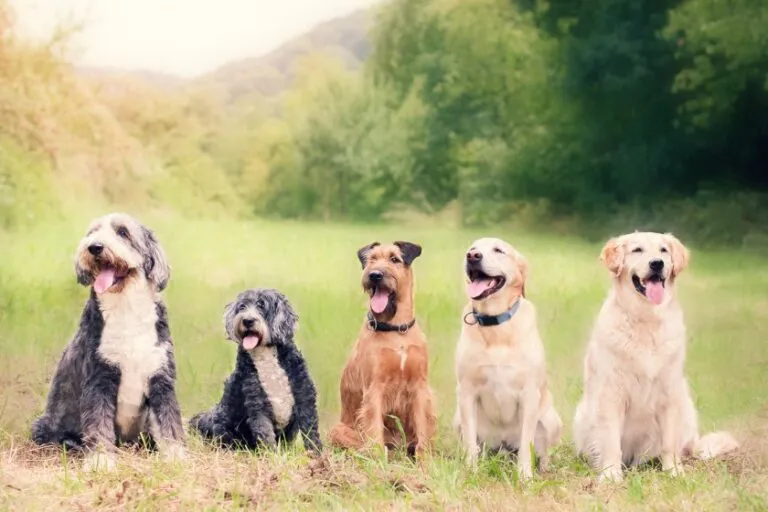
Photo: dog grooming detangling comb behind ears, via animalvivid.com
The knots you don’t see
Mats don’t appear overnight. They start as tiny tangles – often hidden behind an ear, in the crease of a leg, or under a tail – and gradually tighten with every walk, scratch and nap. By the time they’re visible, they can already be pulling on the skin. The good news is that early intervention is simple, gentle and far kinder than waiting for a full mat.
Coat types and danger zones
Some coats are more prone to knotting than others. Curly and woolly coats (think poodles, doodles and bichons) trap loose fur close to the skin, while double coats (like huskies and German shepherds) can form mats when the undercoat sheds and isn’t brushed out. Even smooth-coated dogs can get small knots where fur rubs against harnesses or collars.
The usual suspects are:
- Behind the ears, where fur is fine and friction is high
- Under the front legs and in the armpits
- Around the tail base and under the tail
- Between the back legs and along the feathering on spaniels and setters
- Where a harness or coat straps sit
How to spot a small knot
Run your hands over your dog’s body at least once a week, especially after a muddy walk. You’re feeling for small, pea-sized lumps or areas that feel warmer or slightly raised. Use a metal comb to gently lift the fur – if the comb catches, there’s a tangle. Don’t press hard or pull; just note where it is.
Separating a small tangle safely
If the knot is small and loose, you can often tease it apart at home. Here’s how:
- Hold the fur at the base of the knot, close to the skin, so you’re not pulling on the skin itself.
- Use your fingers or a wide-toothed comb to gently work from the end of the tangle towards the base.
- If needed, apply a tiny amount of pet-safe detangling spray – never human conditioner.
- Work slowly and reward your dog with treats and praise.
- Stop if your dog flinches, if the skin looks red, or if the knot doesn’t loosen within a minute or two.
When to stop and book a professional
Some knots are too tight, too close to the skin, or too painful to tackle at home. If the fur feels like a solid lump, if you can’t see the skin beneath it, or if your dog is sensitive to touch, it’s time to call your groomer. There’s no shame in this – a professional clip is often the kindest option and prevents further discomfort. Never use scissors to cut out a mat unless you’re trained, as it’s easy to accidentally cut the skin.
Breaking the cycle with line-brushing
The best way to avoid mats is regular line-brushing. This means working through the coat in small sections, brushing from the skin outwards rather than just skimming the surface. Aim for a few minutes every other day, paying extra attention to the danger zones. A good routine also helps you spot small knots before they become a problem.
A kind approach
Mats can feel embarrassing, but they’re incredibly common – especially in wet UK winters when coats take longer to dry. Your dog isn’t judging you, and your groomer isn’t either. The important thing is to take action early, keep sessions short and positive, and ask for help when you need it. A little tangle triage goes a long way.